Hihi my tulips! 🌷
I never realized just how different the journey with hair could be. Growing up, I was the only one in my family with curly hair, my sisters and mom had straight and wavy textures. Because of that, I had to learn how to care for and maintain my hair on my own along the way.
At the beginning, I didn’t know much about the different curl patterns or how certain products work better depending on your hair type. But over time, I became more aware and intentional with my routine and I’m so excited to share everything I’ve learned with you.💛
VERY IMPORTANT: When trying to figure out your hair type you want to start by observing its natural pattern. Your hair is completely different when it’s wet versus when it’s dry, so it’s important to look at both to truly understand it. When your hair is wet, you can better identify its structure and when it’s air-dried, you can see how it naturally sets. Make sure you’re not using any products during this process for the most accurate results.
For each hair type there are different pattern levels. Here I’ll shall show and explain the different levels for each hair type.
Straight Hair
1a: Straight & Fine
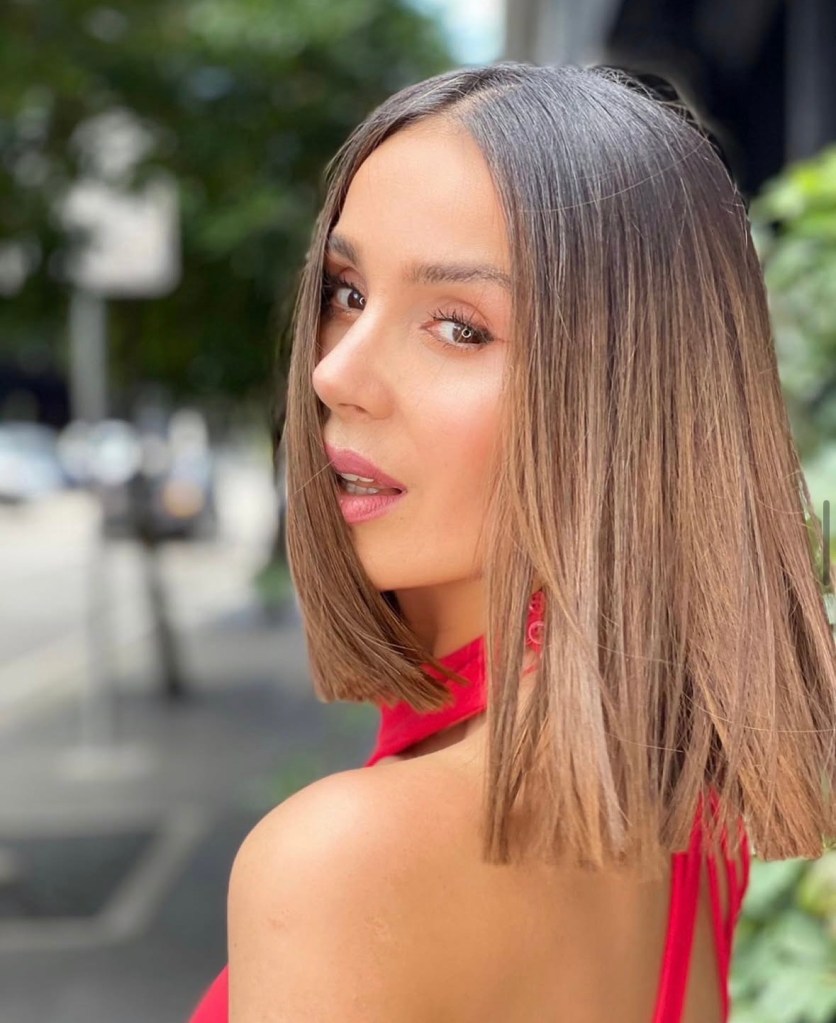
@catherinesiachoque
Seen as silky, fine and pin-straight. However, this hair type tends to get oily quickly, which may flatten your hair.
1b: Straight & Medium-Textured
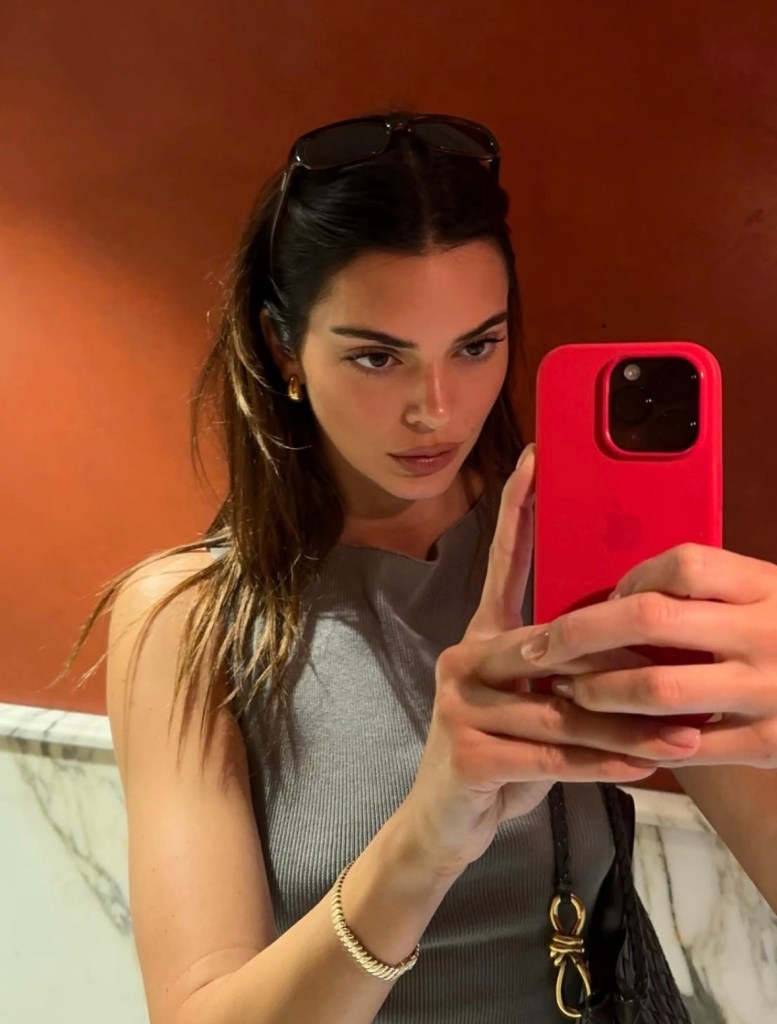
Soft and shiny as 1a, but has a slight bend texture towards the end. Your hair can still get oily at the roots, but frizzy around.
1c: Thick & Textured
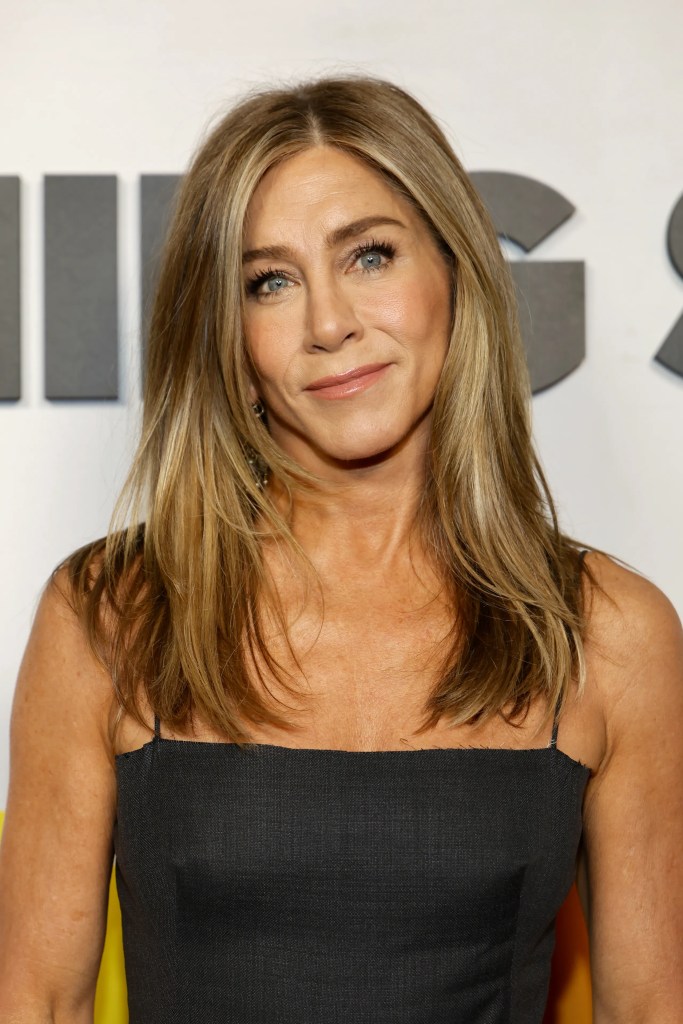
Still straight, but thicker with c-shaped curves at the bottom. Compared to types 1a and 1b, it is frizzer, which causes more flyaways and tangles. With this hair type it is common to have an oily scalp with drier ends.
Wavy Hair
2a: Loose “S”-Shaped Waves
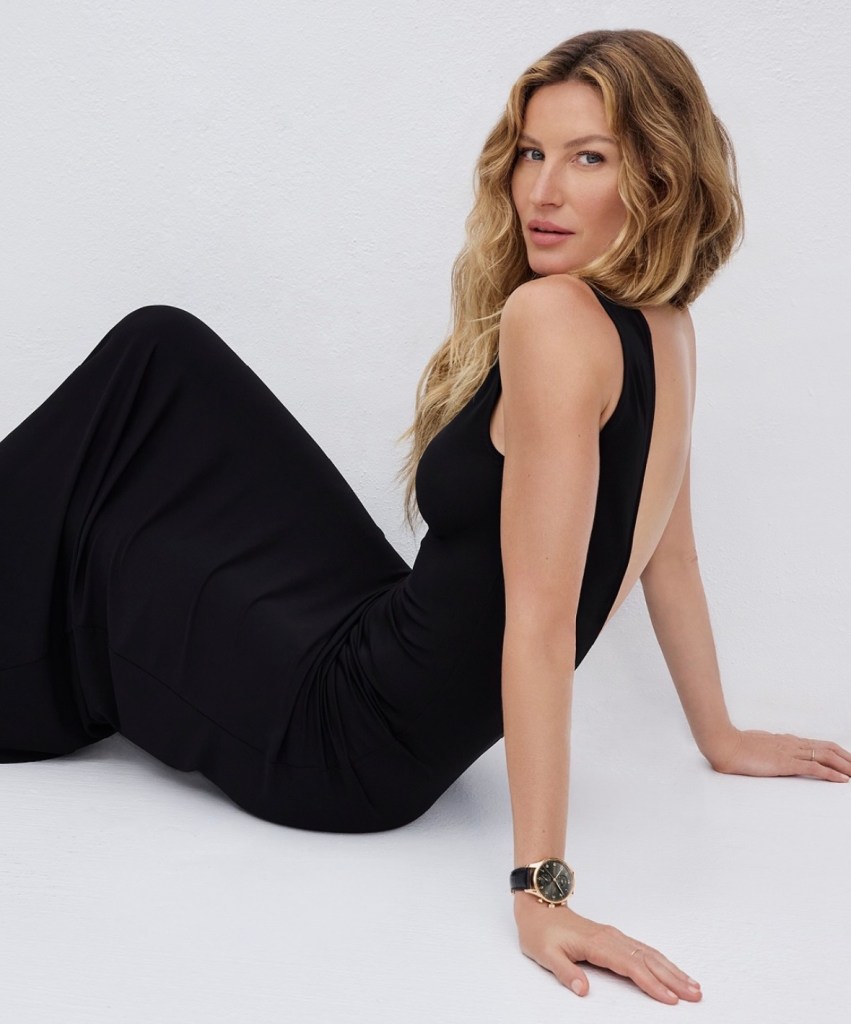
(Gisele Bündchen)
These are your go to natural beach waves. The hair tends to be finer and straighter at the roots, but towards the middle to end softer waves are formed.
2b: Defined “S”-Shaped Waves

Sits right between straight and curly as the middle to the end of the hair waves tend to be more formed, while the roots remain straight. Compared to 2a, the “S”-shaped waves are more defined, which can get a little frizzy and sometimes feels flat around the crown.
2c: Thick Defined “S” Shaped Waves
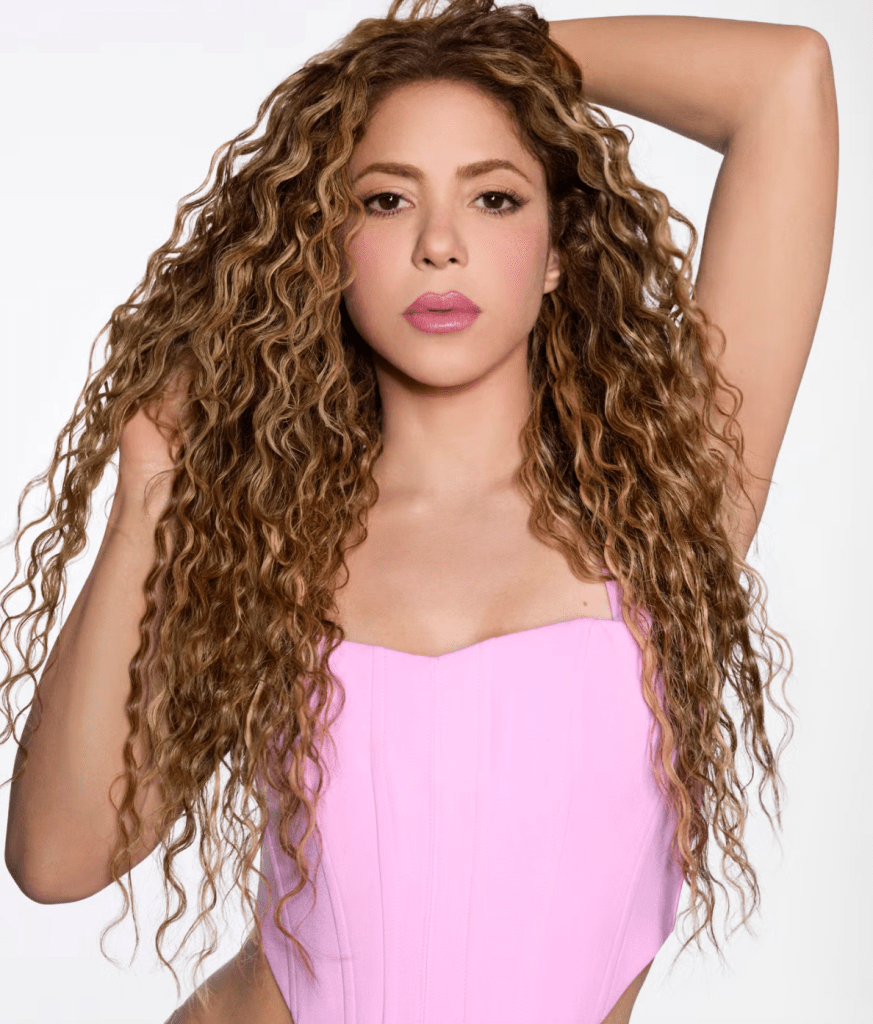
Thicker, defined “S”-shaped waves that start right at the roots. It feels full with lots of texture, which shows a natural volume formed, but is more prone to frizz.
Curly Hair
3a: Loose Spiral Curls
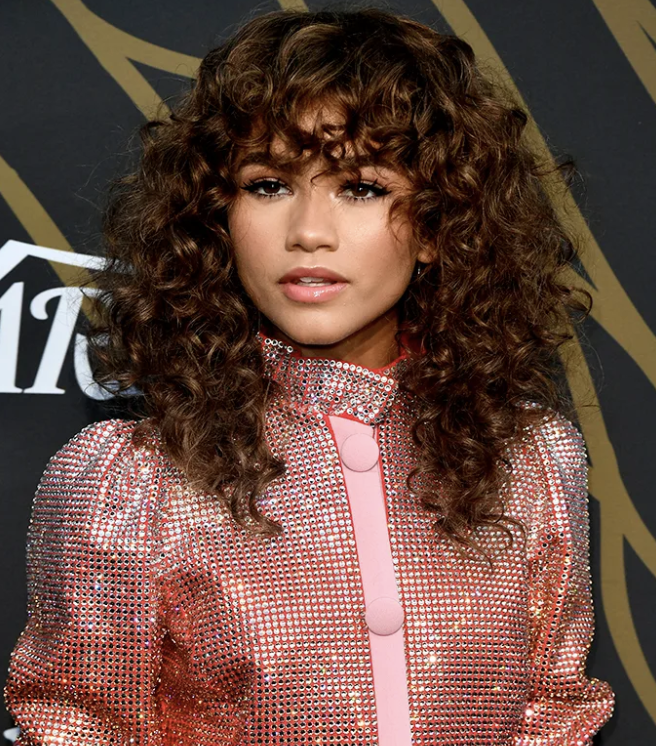
Loose, soft wide still “S”-shaped spiral curls. The hair is usually fine, but has medium texture, giving a sense of volume despite being fine.
This is actually my hair type and based on my experience I’ve noticed that my hair can look almost wavy when it’s wet, but once it dries, the curls being to show.
3b: Defined Springy Curls
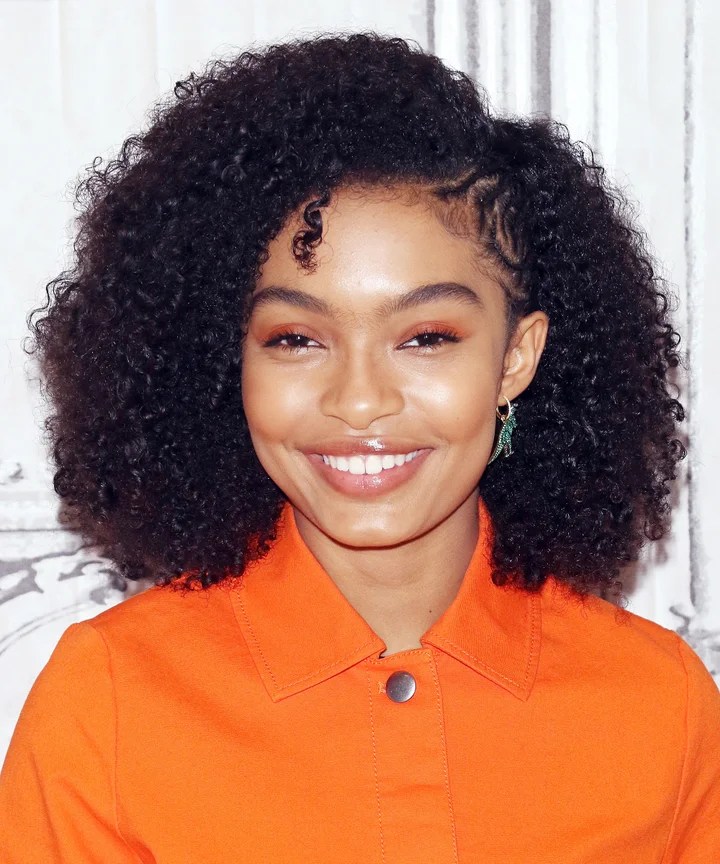
Tighter, defined springy bouncy curls full of volume, which gives it that full shape. The texture can vary from fine to medium in thickness and can easily get frizzy, tangled, and hair length shrinks when it goes from wet to dry.
3c: Tight Corkscrew Curls
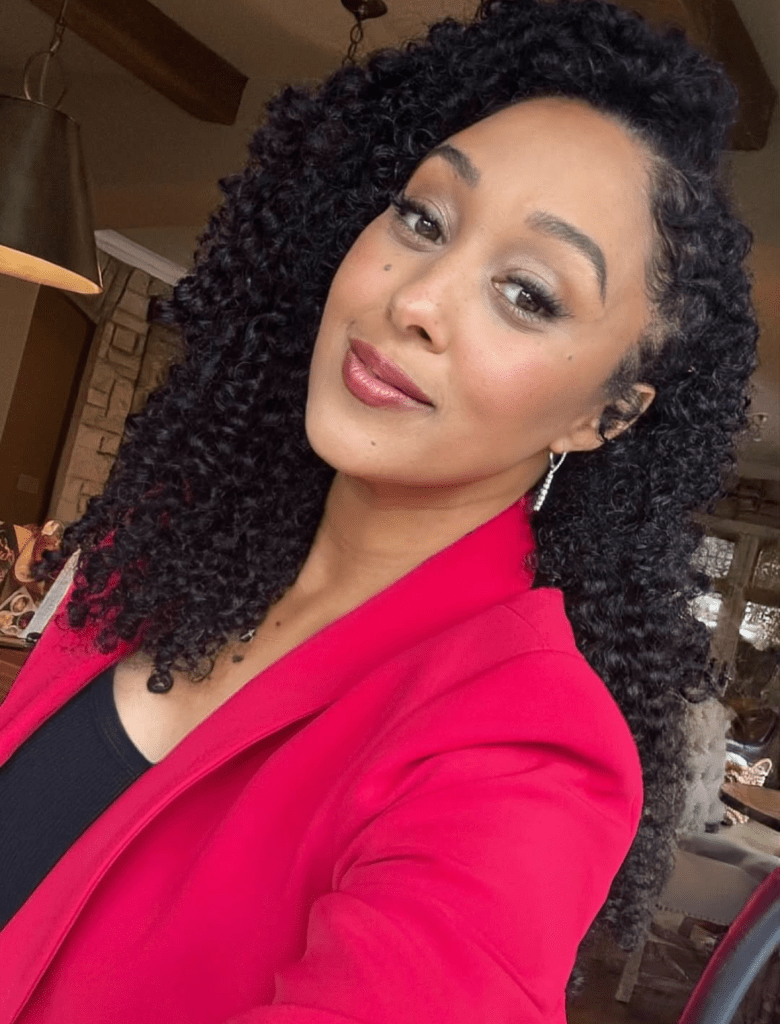
Super defined corkscrew curls forming little coils. It’s full and voluminous. Sometimes little hair knots can happen due to how tight the shape of the curl is.
Kinky/Coily Hair
4a: Thick “S”-Shaped Ringlets
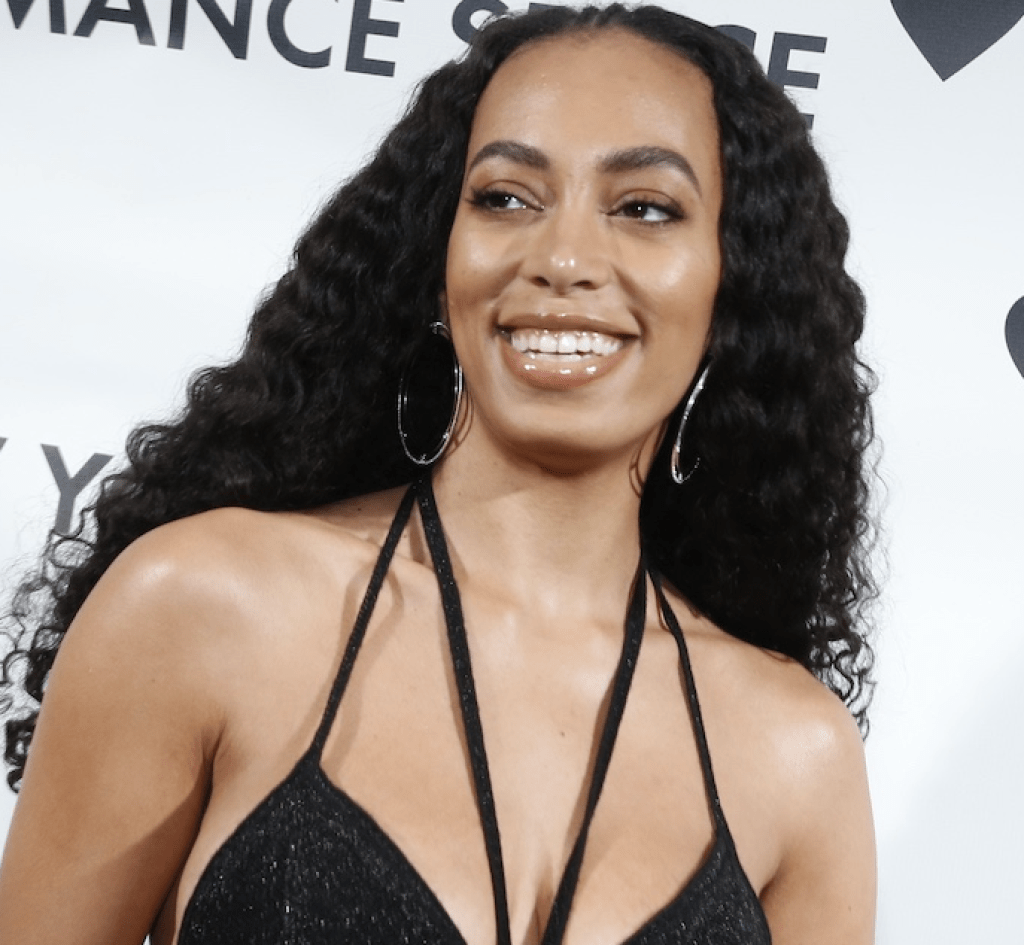
Tight and thick coils full of volume. The strands can range from fine to medium thickness. It tends to hold the moisture from products well.
4b: “Z”-shaped Patterned Coils
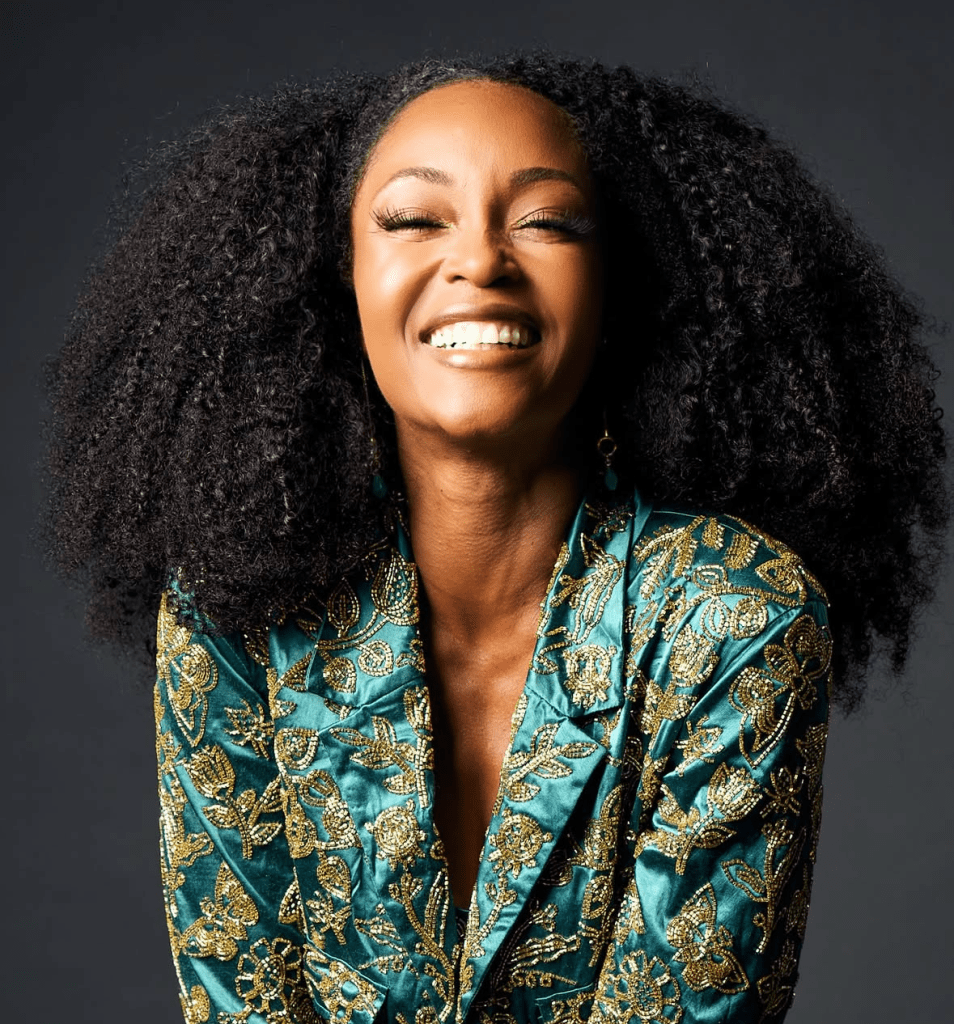
Tight but not as defined, zigzag “Z”-shaped pattern with textured. It can range from soft to dry making the hair prone to breakage because natural oils have a harder time absorbing.
4c: “Micro-coils” Tightest Curl
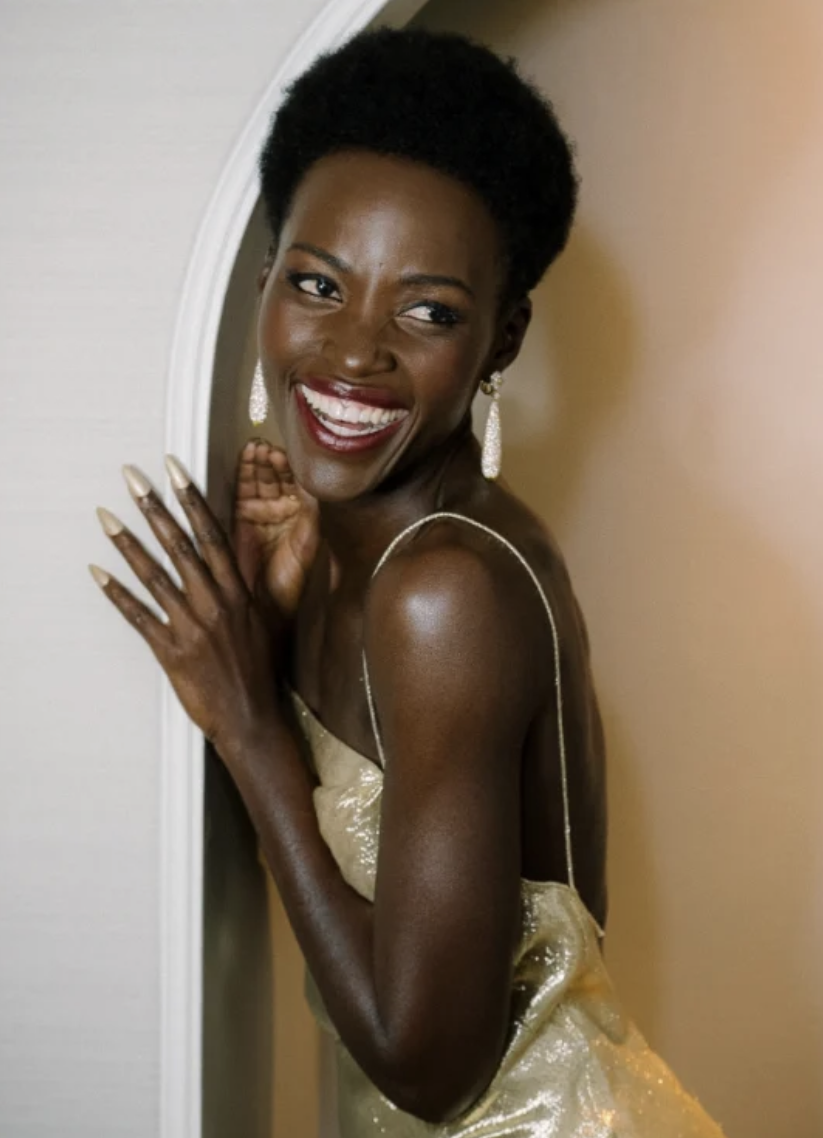
The tightest curl pattern, but most delicate of all with small coils, also known as “micro-coils”. There is no defined pattern. Similar to 4b, the hair is prone to breakage.
Well my tulips, that’s all of them! It’s kind of crazy how many different types there are just within straight, wavy, curly, and coily/kinky hair, right? Even though they may seem similar, there are big differences on the patterns, and each type needs its own kind of care to help with things like frizz, tangles, and dryness.
Now that you understand the different hair patterns, thicknesses, and areas that need some extra care, here’s a list of products for each hair type to try depending on yours!
Straight Hair
1a: Straight & Fine
Focus on lightweight, volumizing products that remove excess oil without stripping hair and boost root fullness.
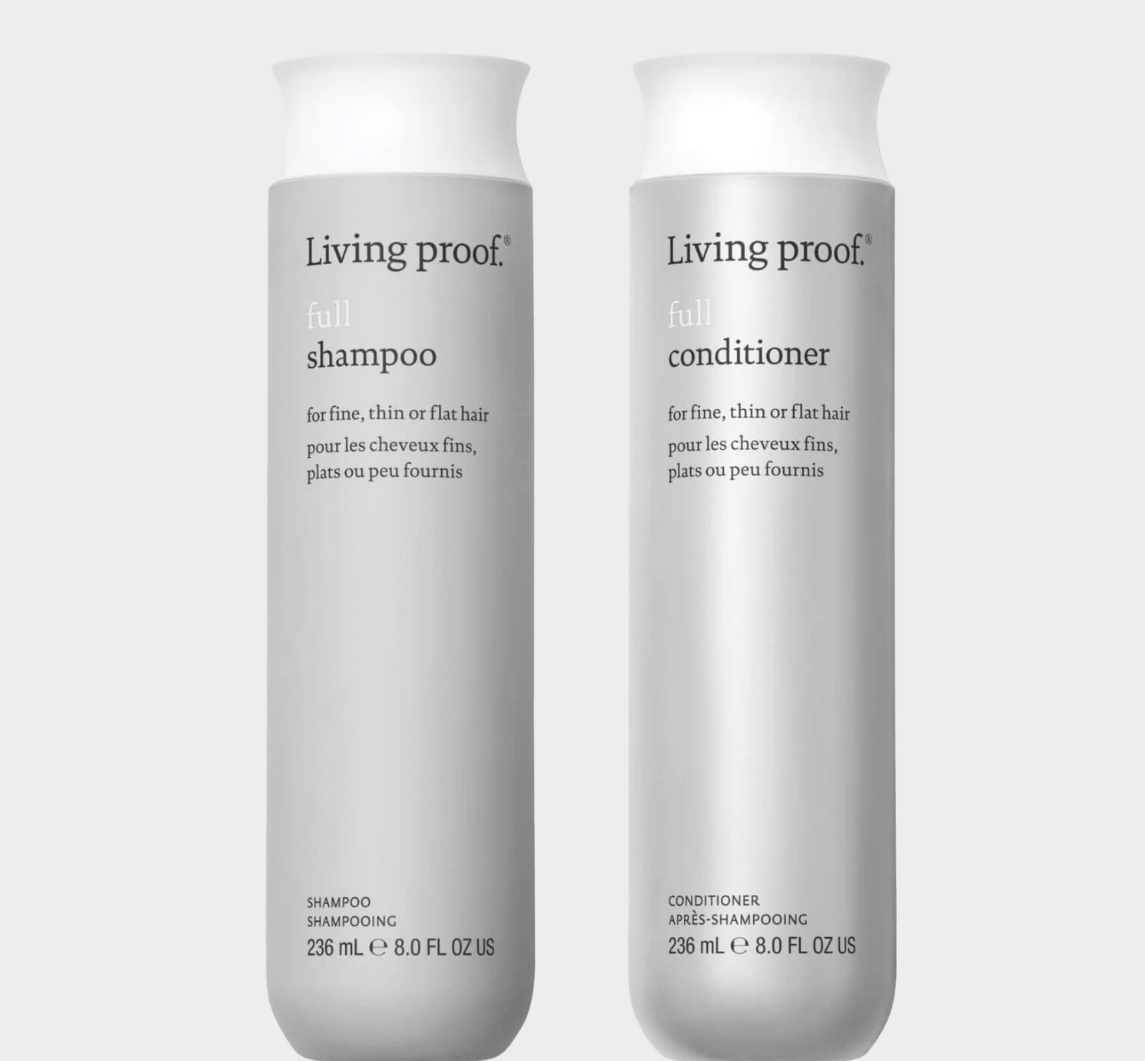
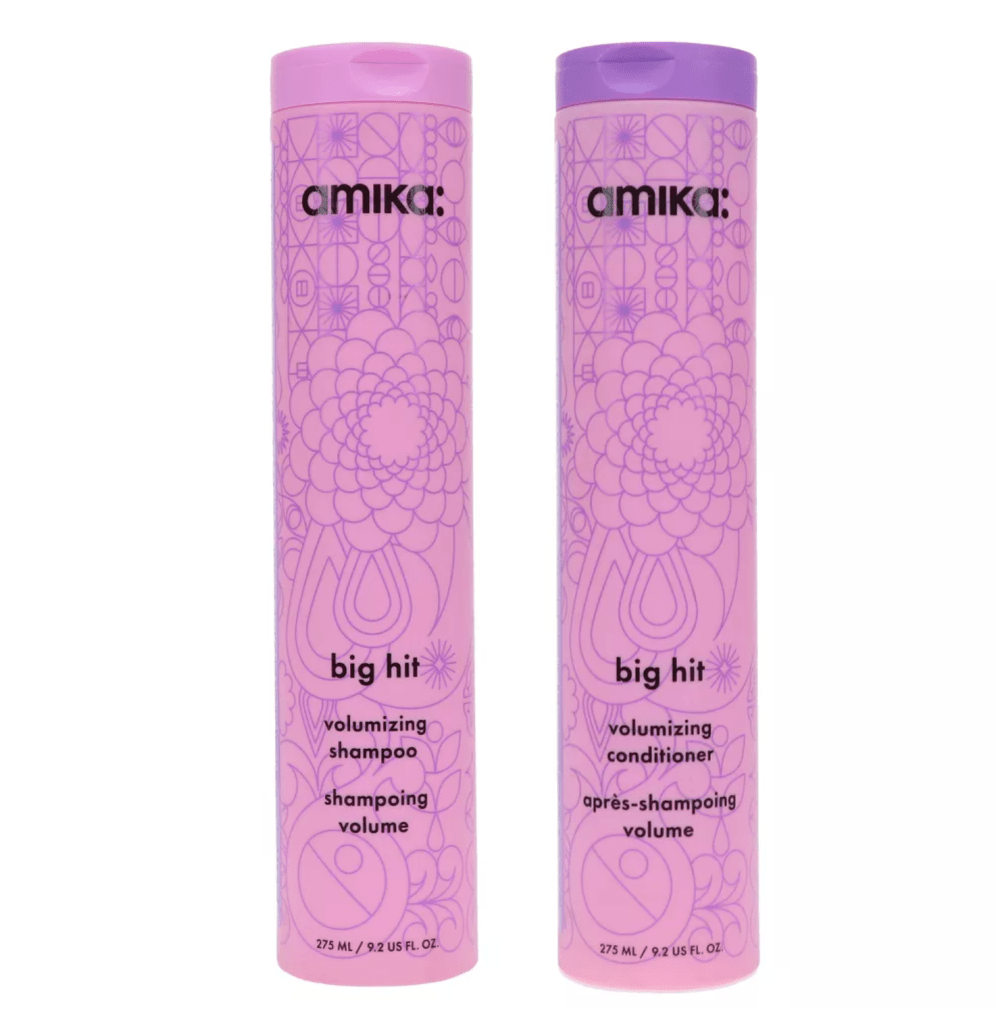
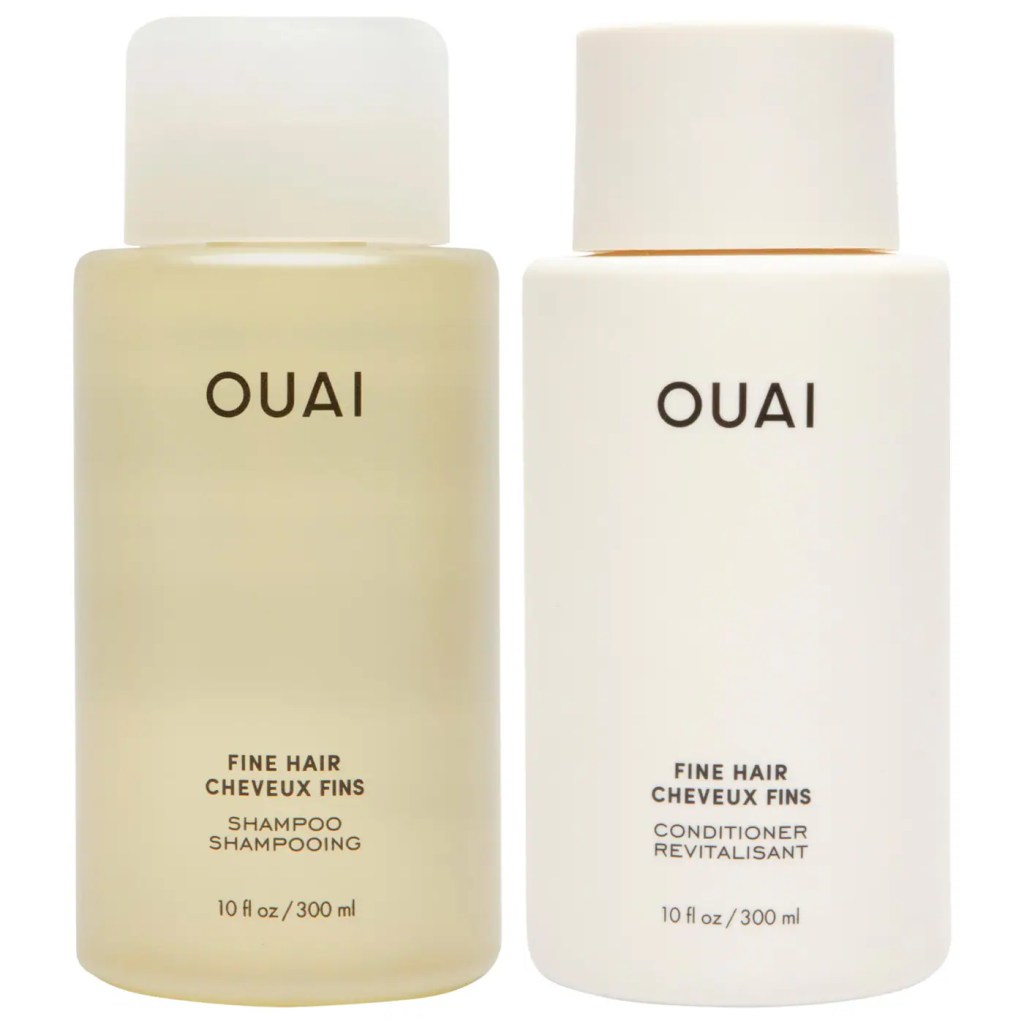
- Living Proof, Full Shampoo + Conditioner
- Amika, Big Hit Volumizing Shampoo + Conditioner
- OUAI, Fine Hair Shampoo + Conditioner
1b: Straight & Medium-Textured
Remain focusing on lightweight, volumizing products, but with a twist. You need a balance of oil and frizz control as well.
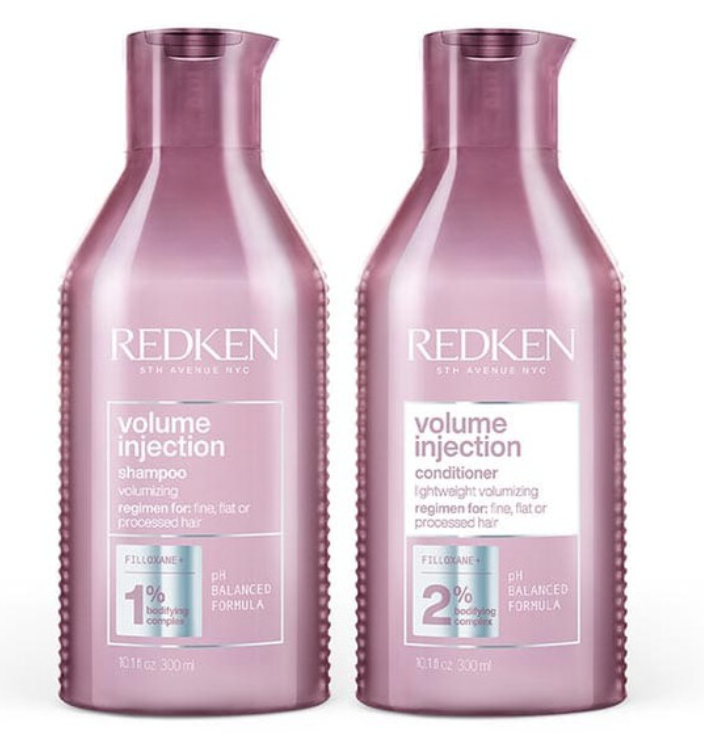
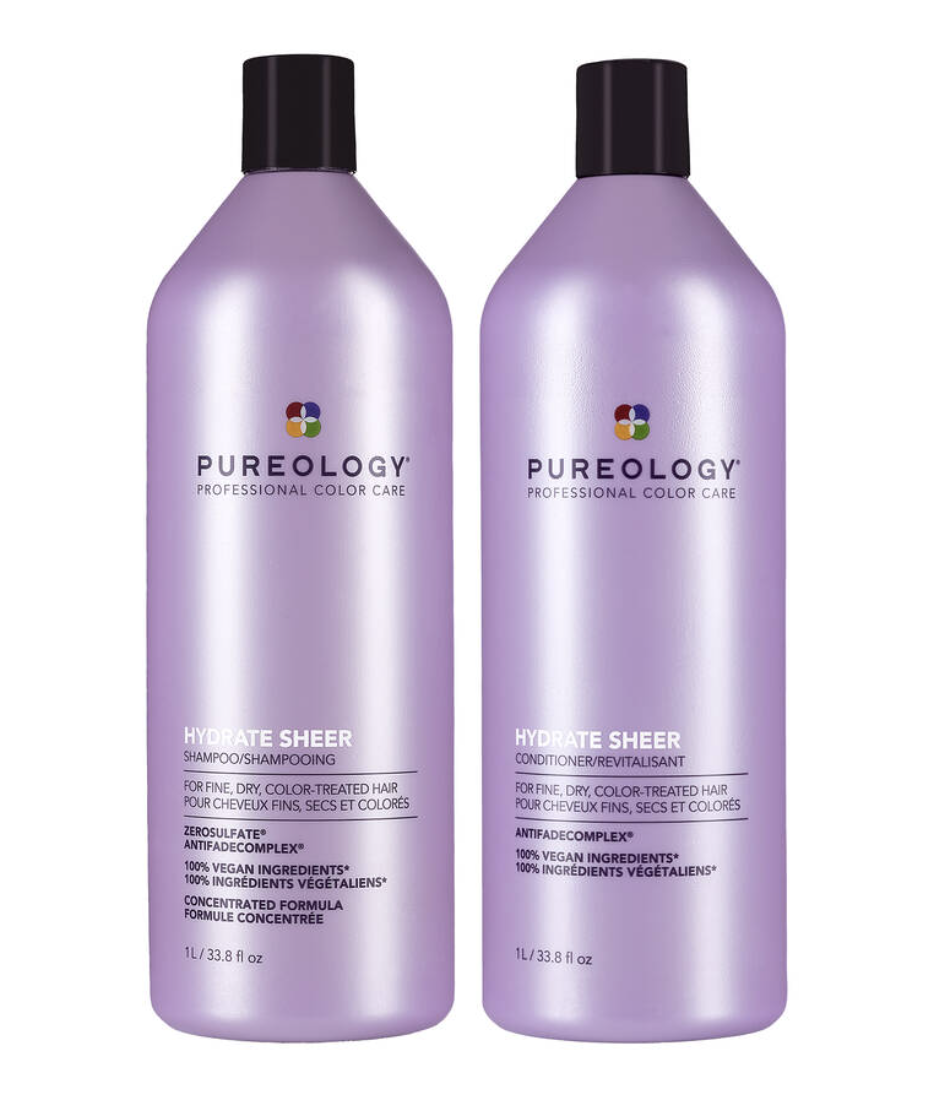
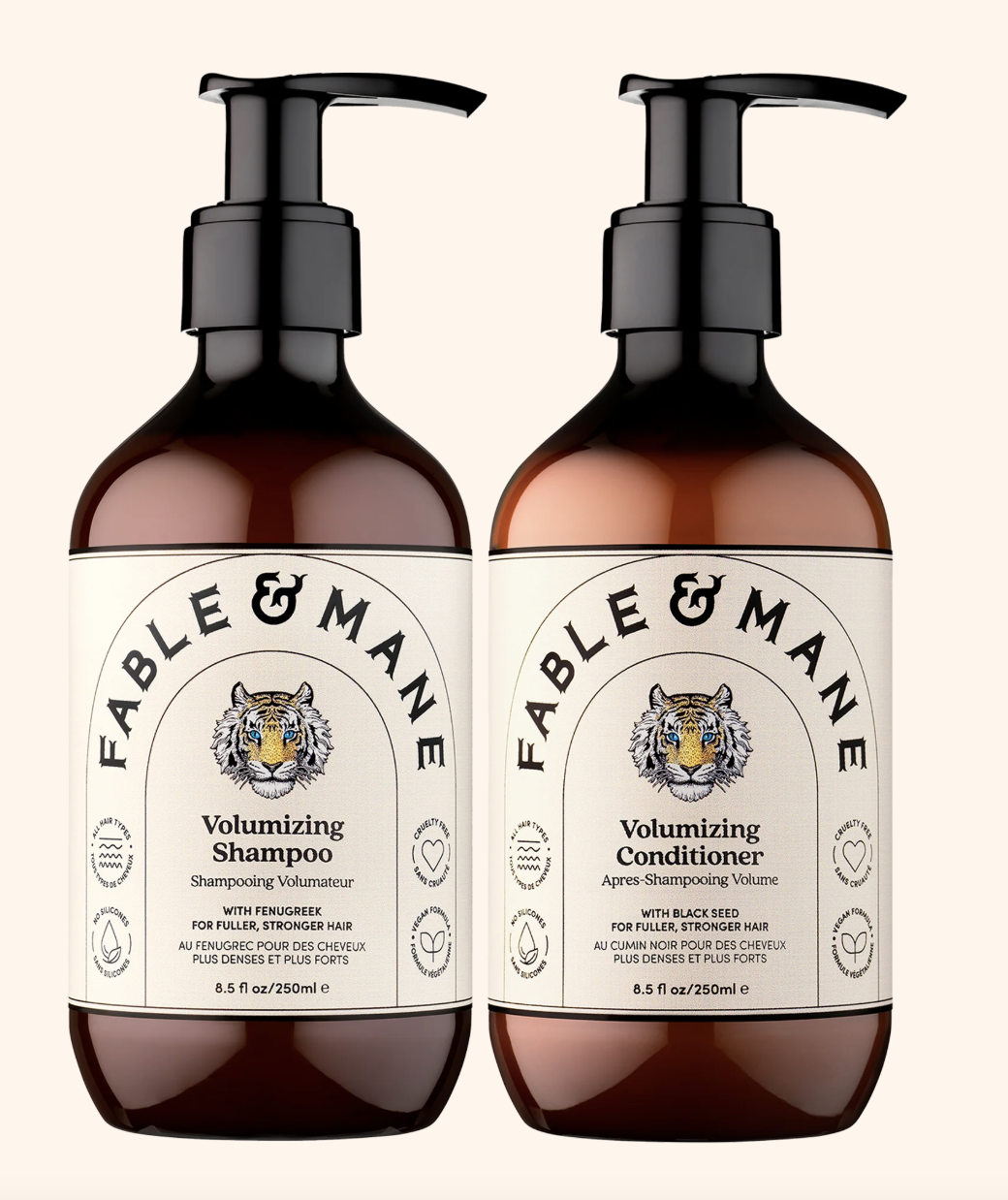
Similar to 1a, Living Proof Full and OUAI Fine Hair work for 1b hair type too! Here are some other products as well that work specifically for 1b.
1c: Thick & Textured
This hair type is a blend of 1A and 1B, so it’s important to choose products that are lightweight while still caring for volume, oil and frizz control.
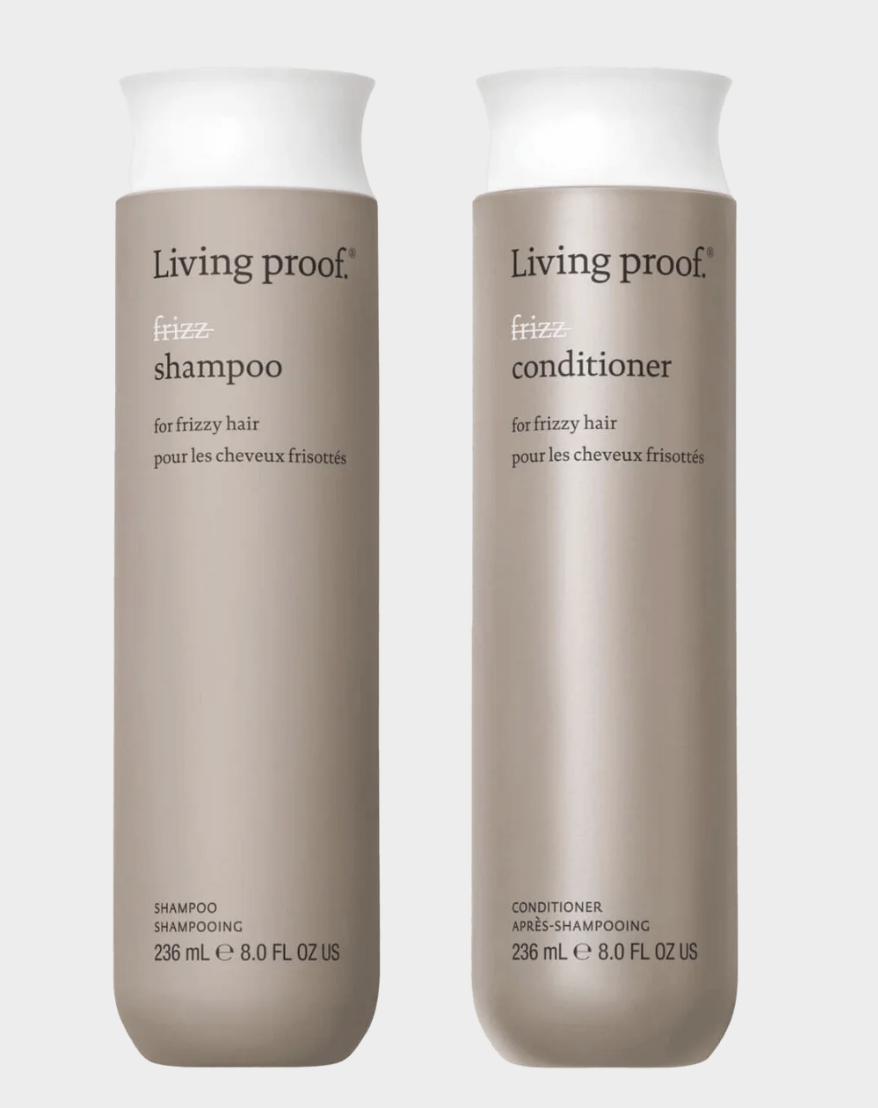
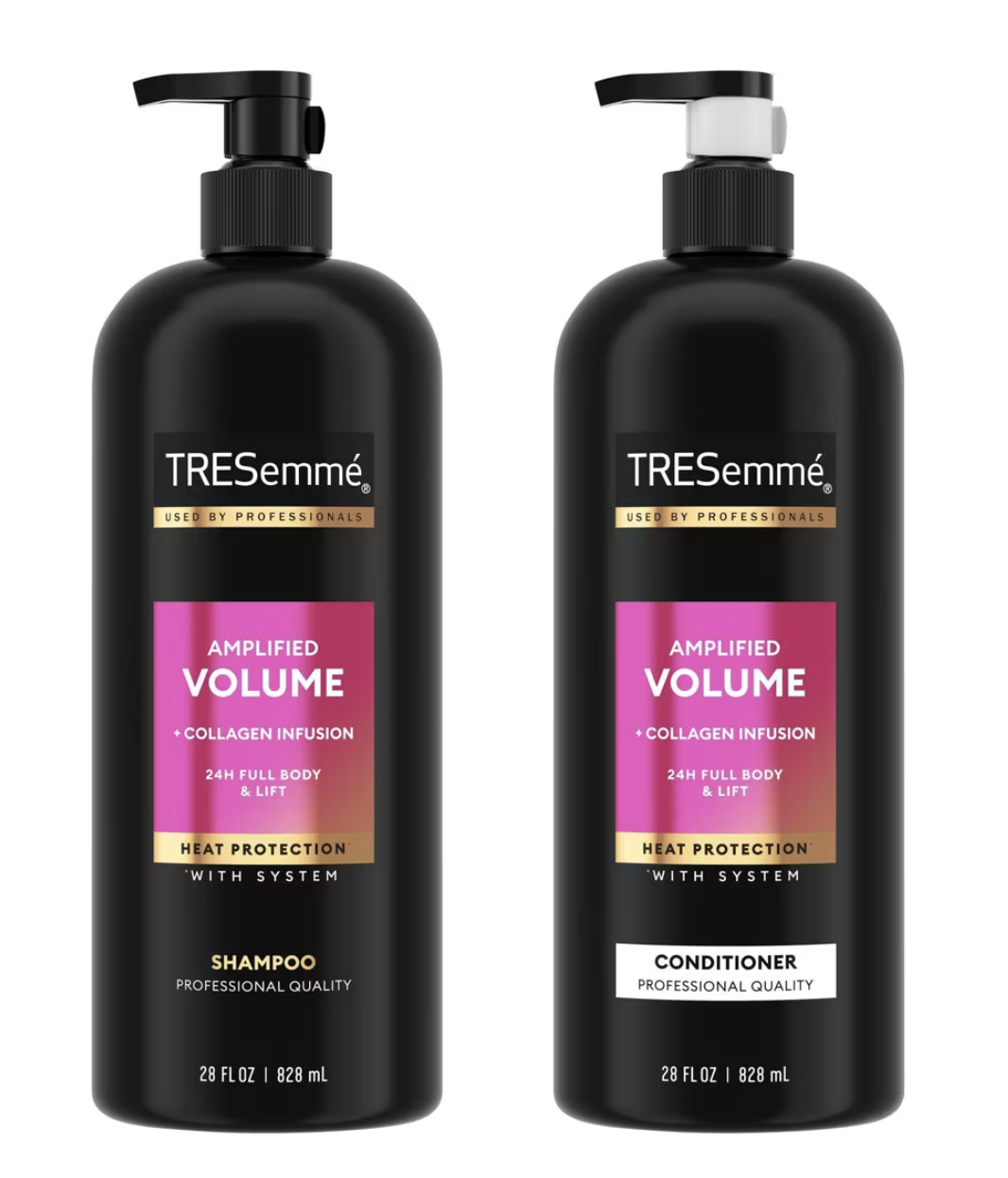
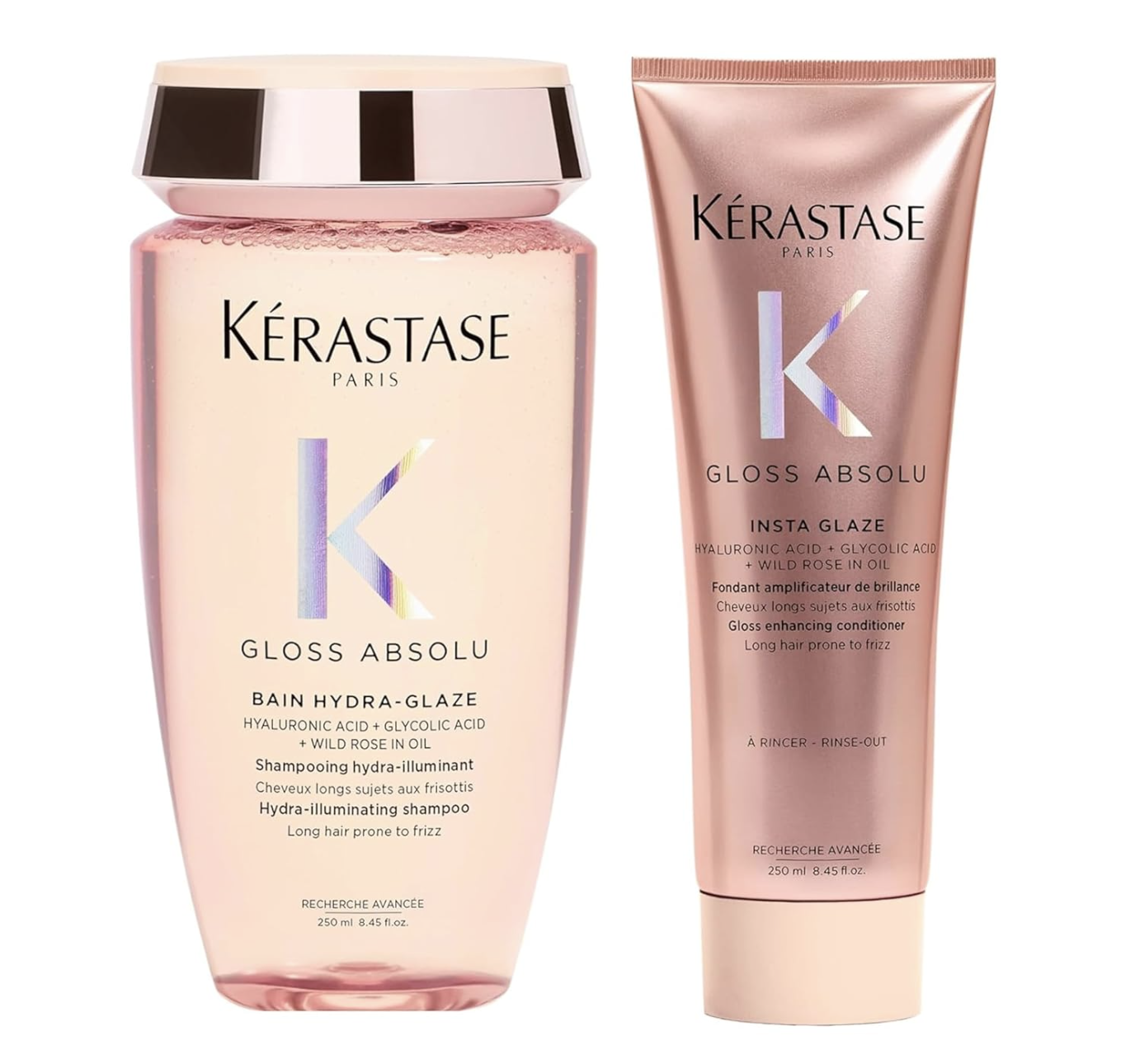
Wavy Hair
2a: Loose “S”-Shaped Waves
Look for lightweight moisture, frizz control, and soft definition products. You want to make sure to define your waves without heavy creams or thick conditioners as they’ll flatten your waves.
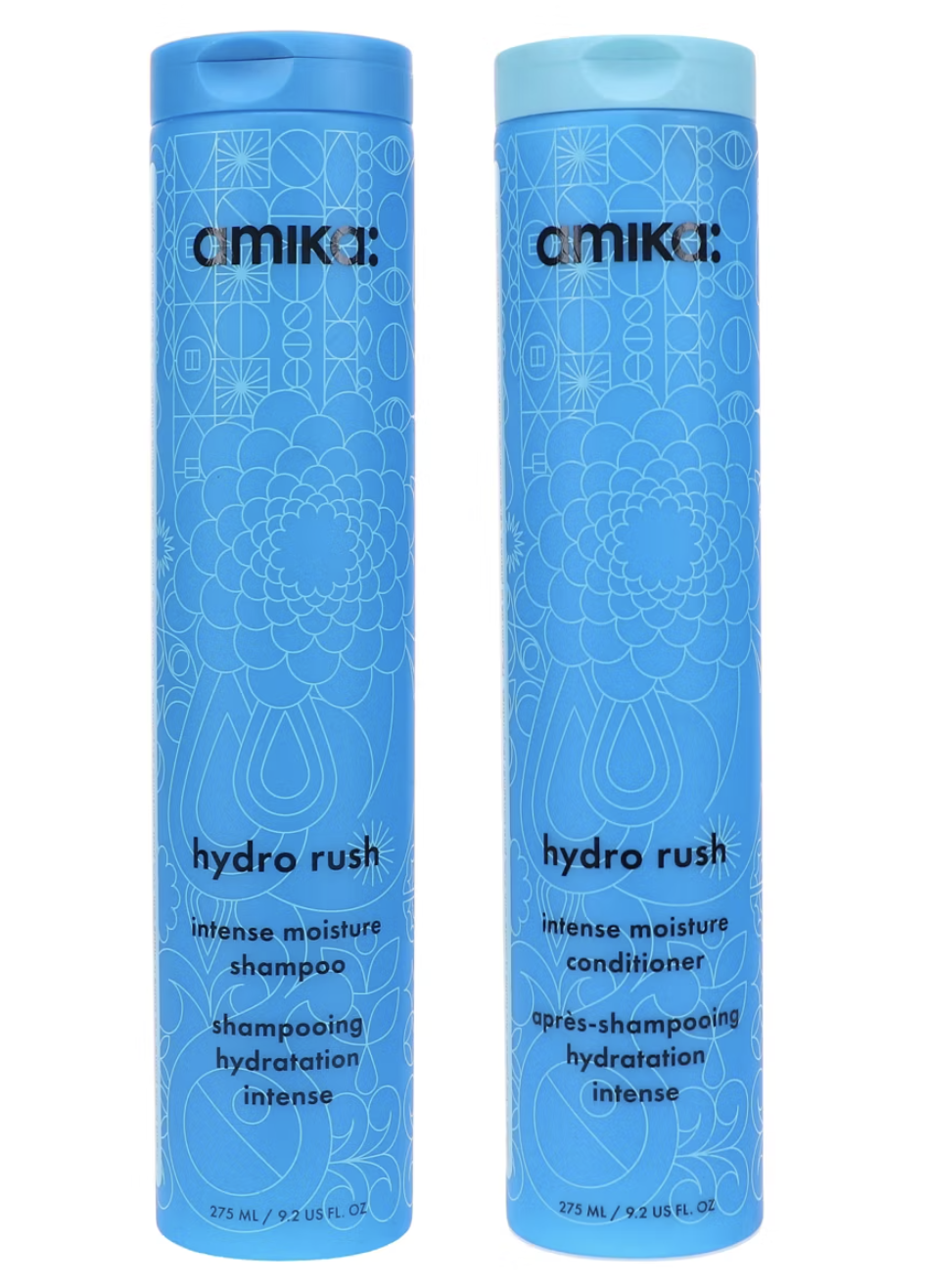
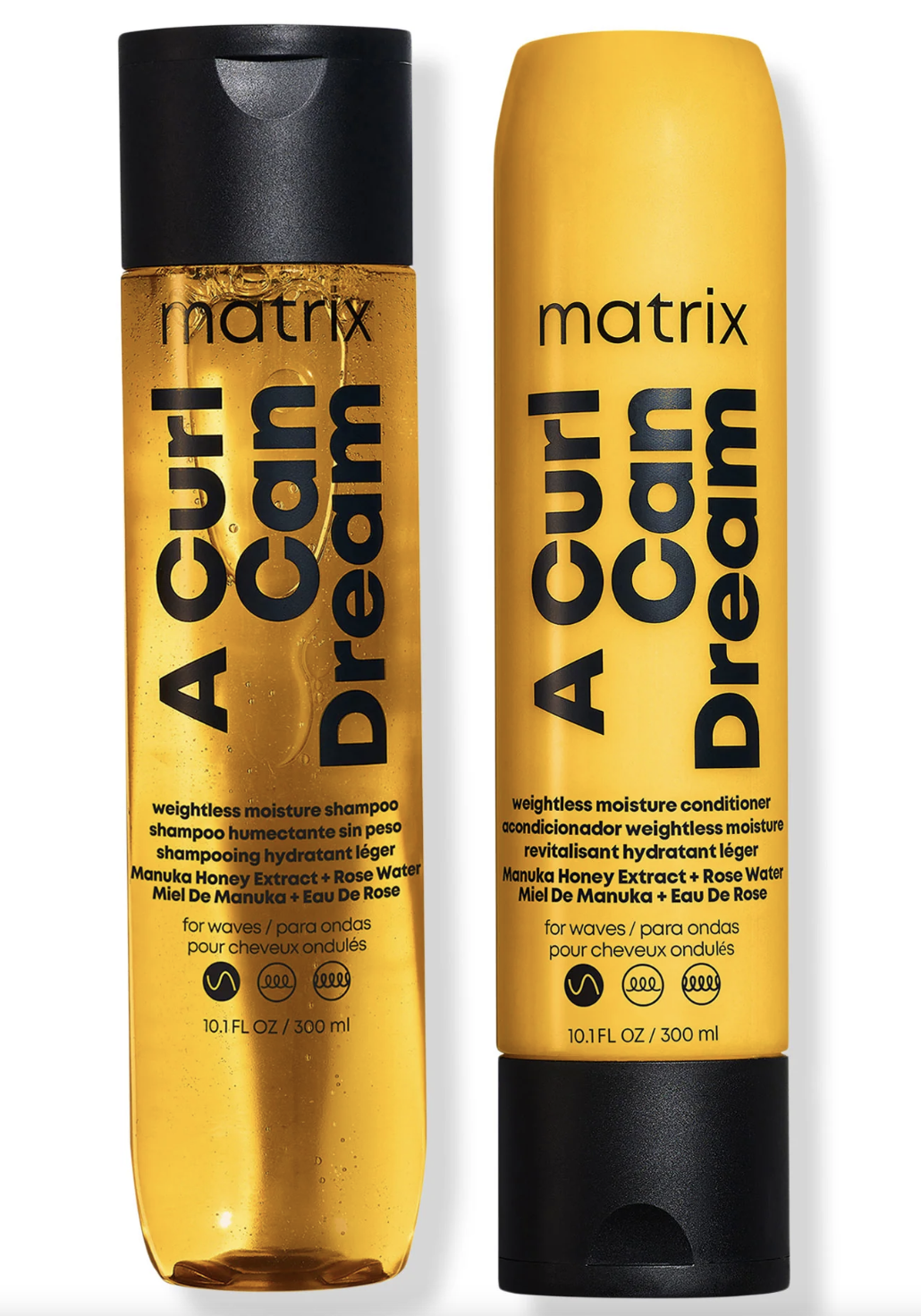
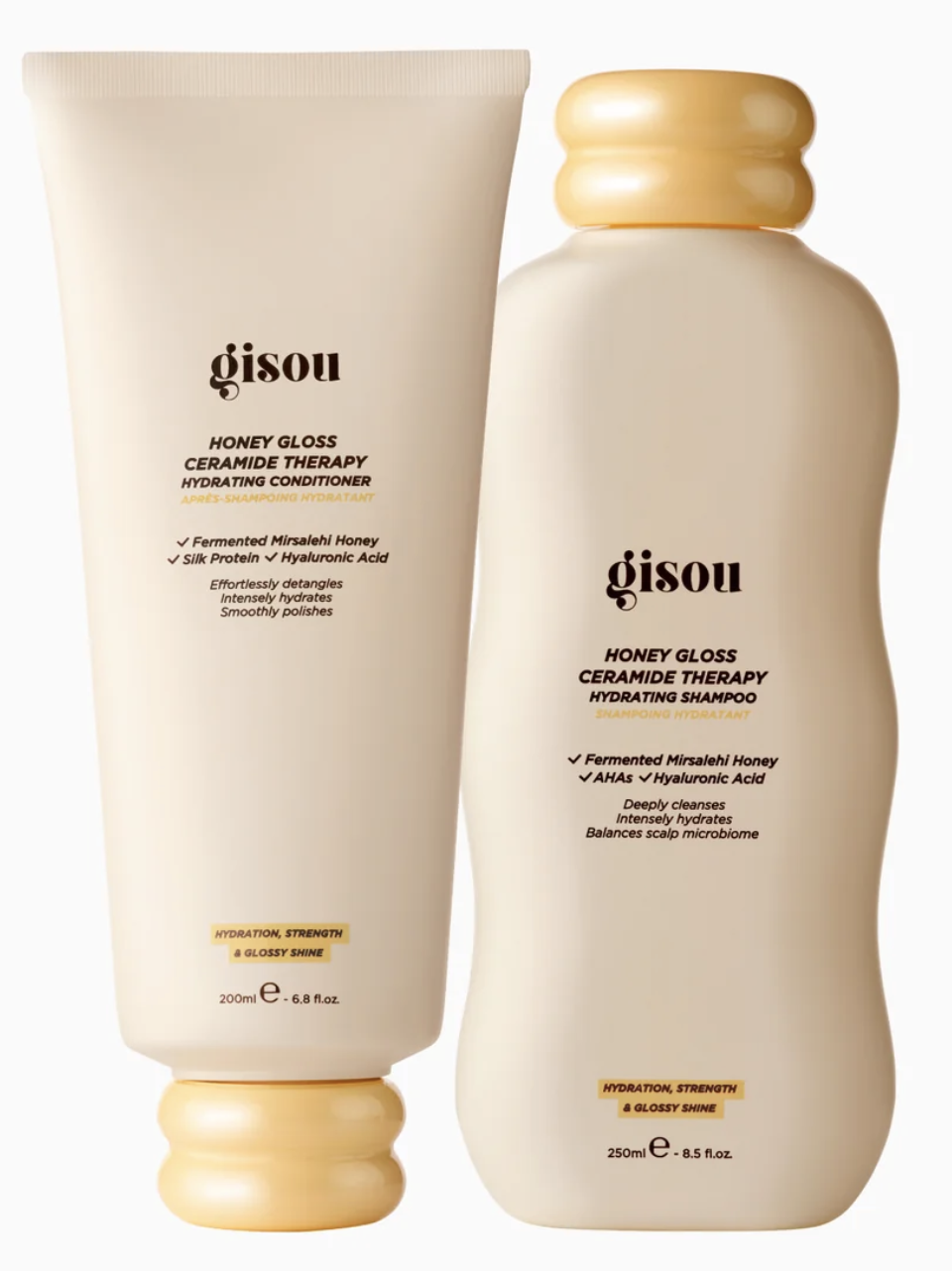
- Amika, Hydro Rush Intense Moisture
- Matrix – A Curl Can Dream (Weightless version)
- Gisou Honey Gloss Hair Wash Duo
2b: Defined “S”-Shaped Waves
Balance is everything for 2B, remain focusing on hydration. Still try to avoid heavy oils/butters.
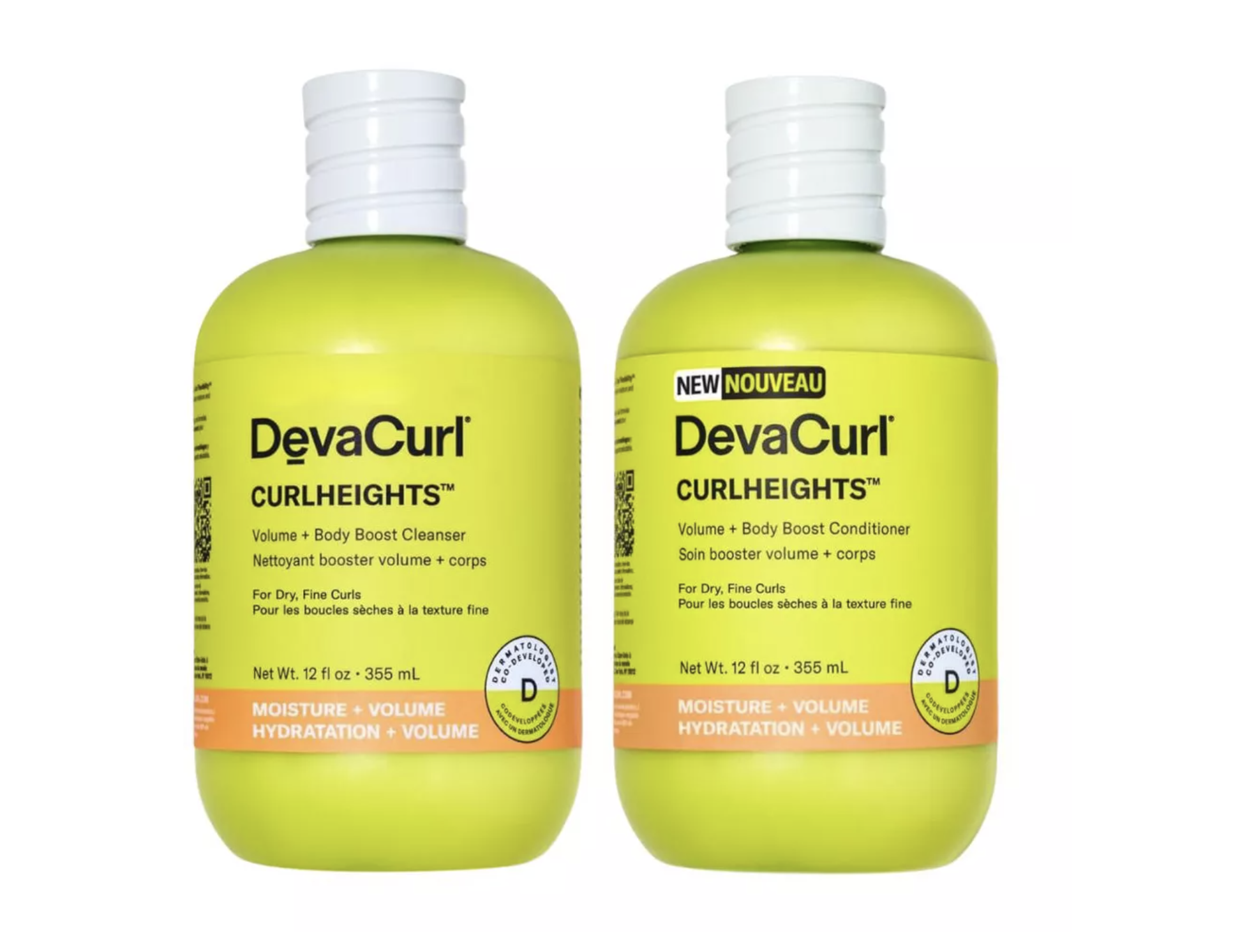
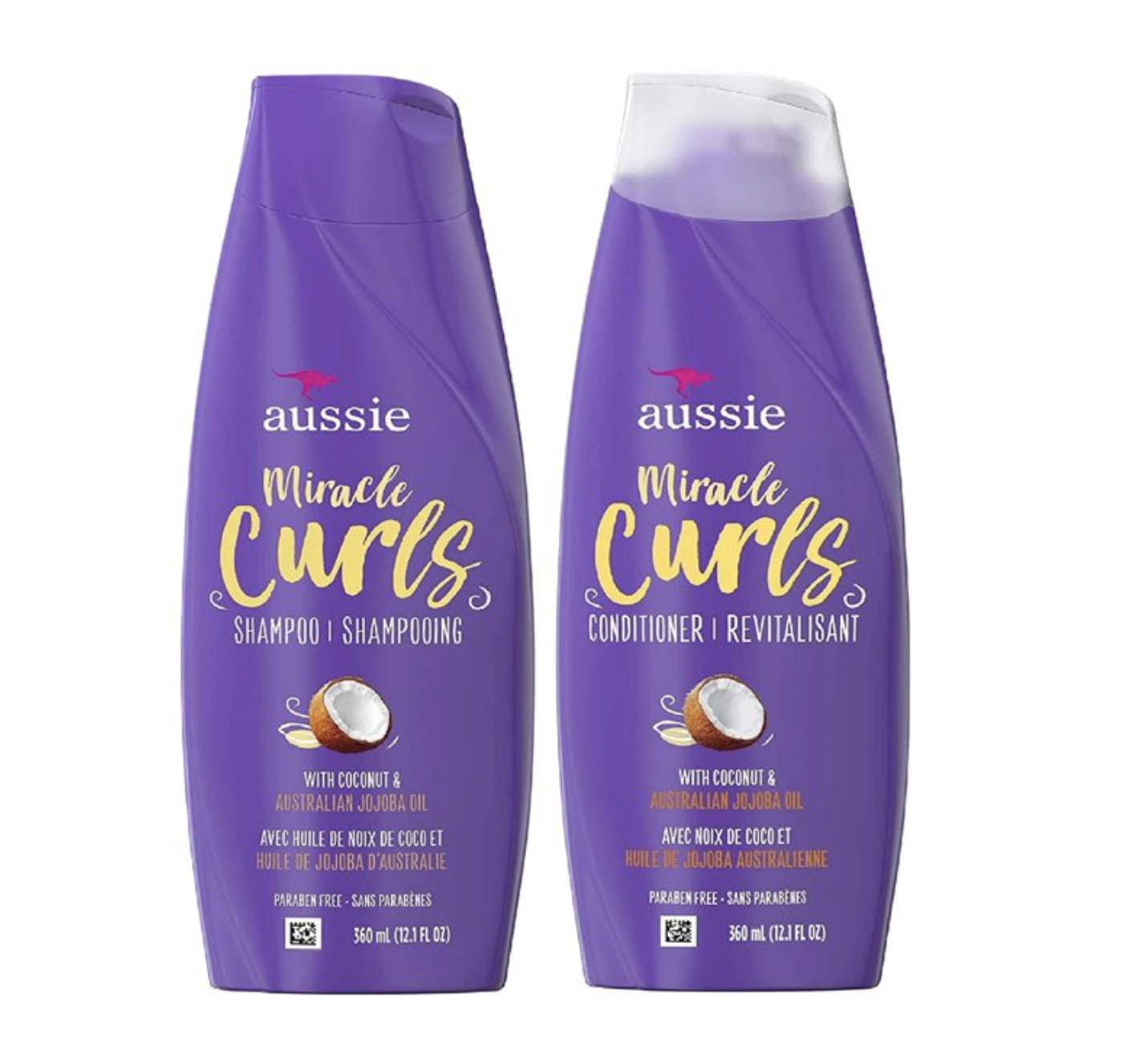
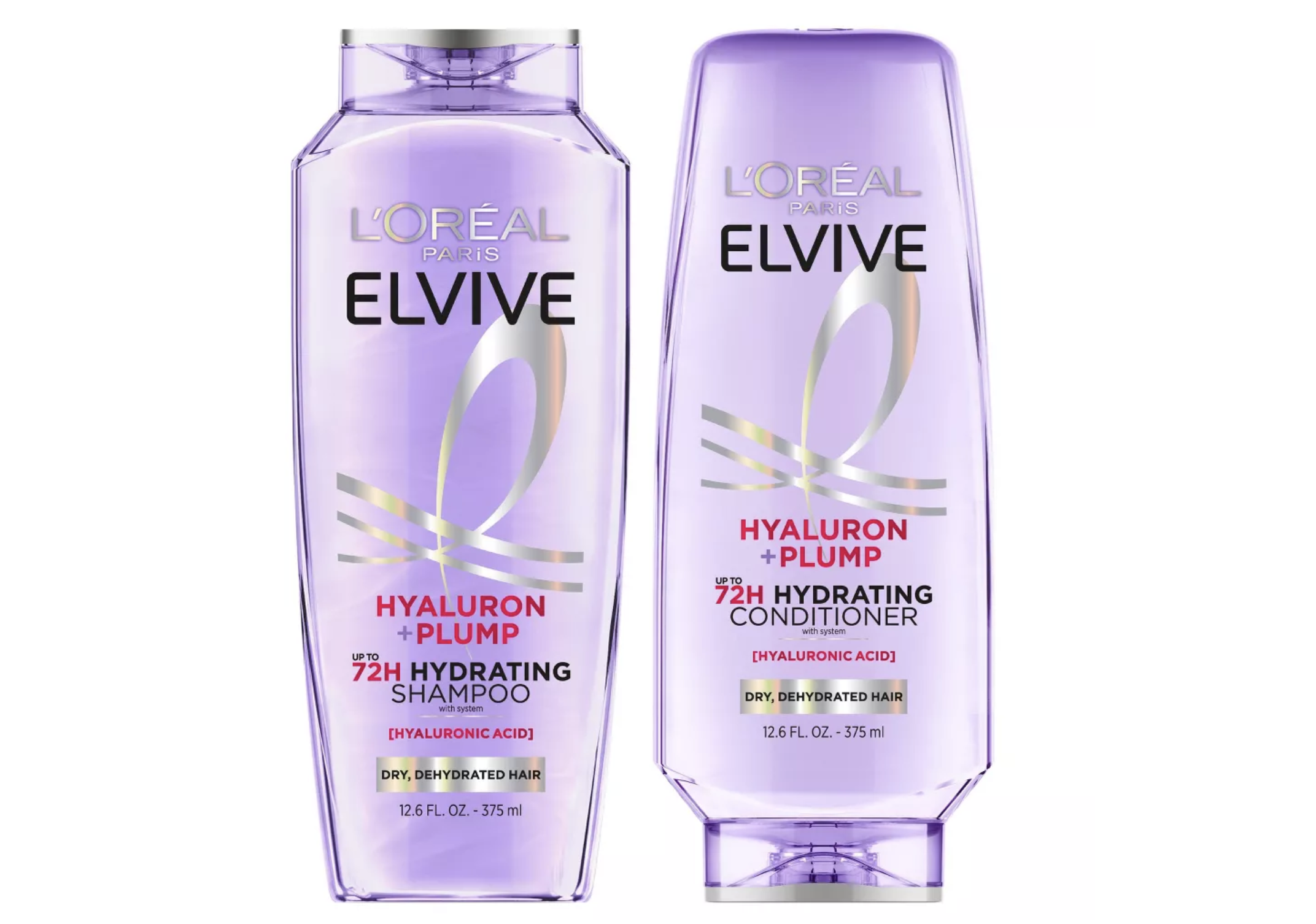
2c: Thick Defined “S” Shaped Waves
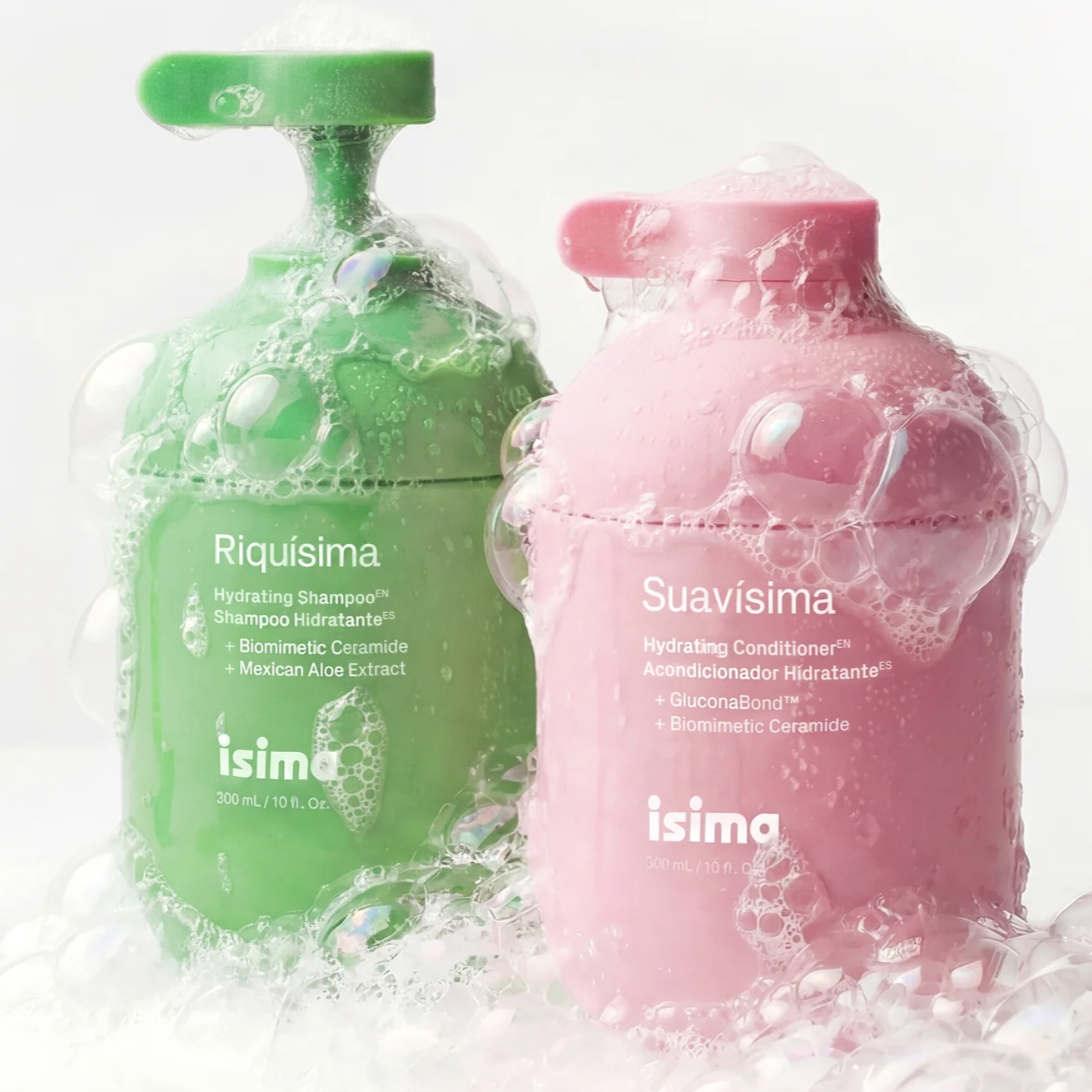
Still avoid heavy creams/oils unless your hair is thick because this hair type tends to be drier and more textured, so hydrating and curl-enhancing duos work best.
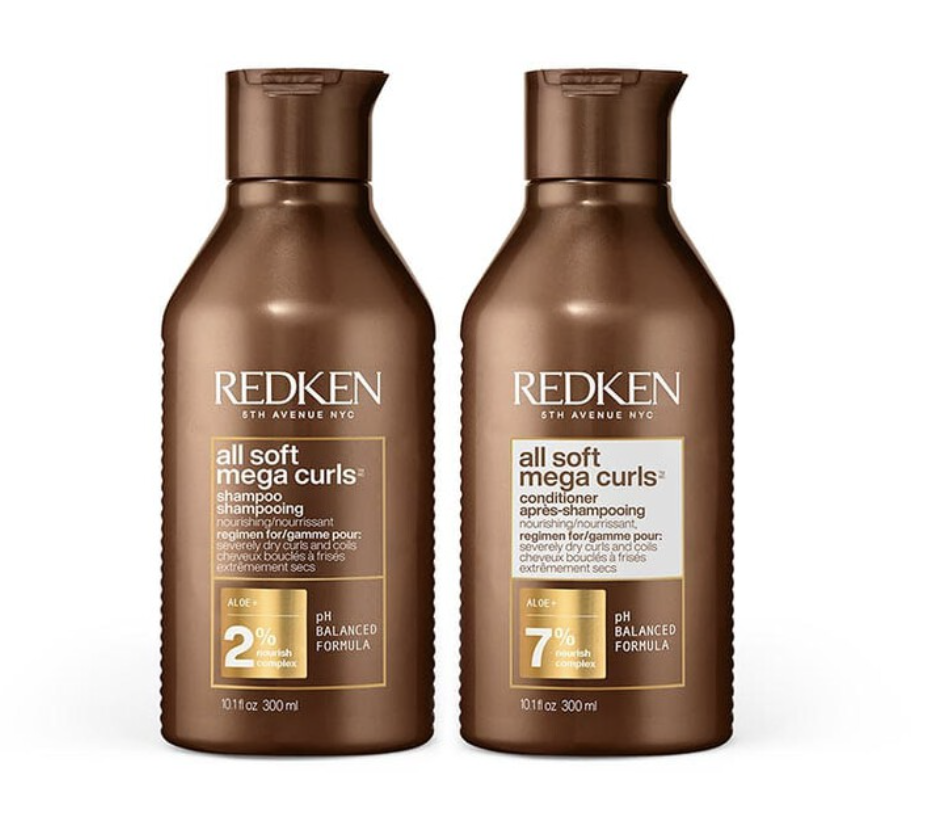
- Redken All Soft Mega Curls Duo
- Isima Shampoo Hydrating Shampoo + Conditioner
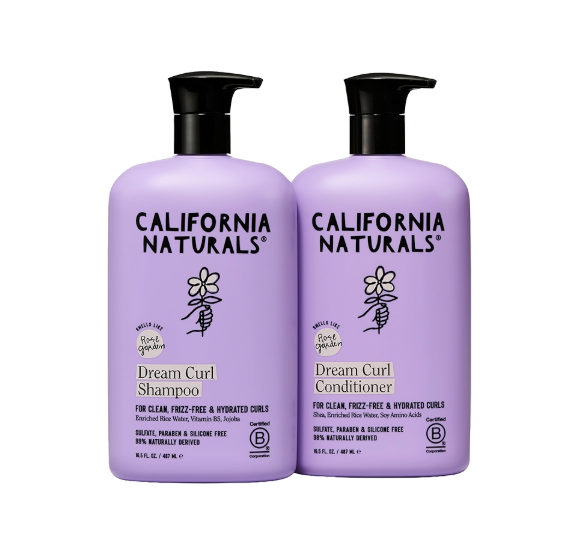
- California Naturals Dream Curl Collection
Curly Hair
3a: Loose Spiral Curls
Moisture is the main priority when talking about curly hair because it can get drier than wavy, so you want to focus on gentle cleaning products without stripping your hair and controlling frizz.
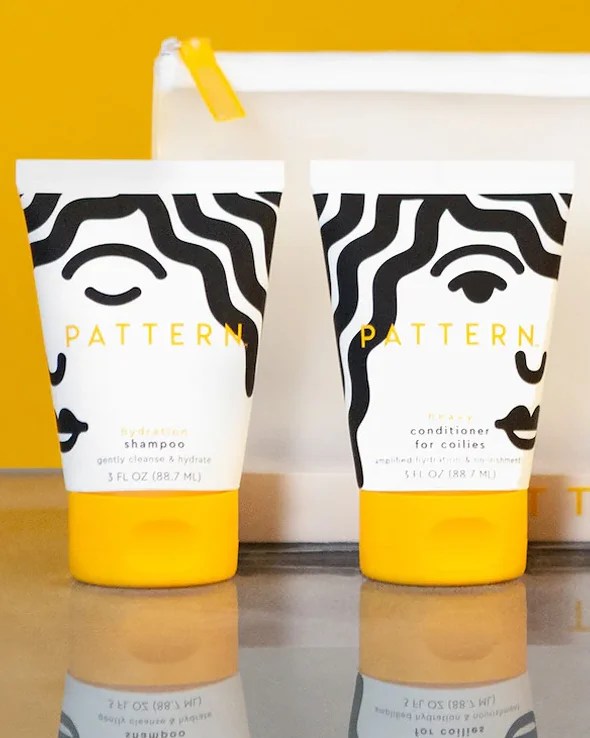
- Pattern Beauty Hydration
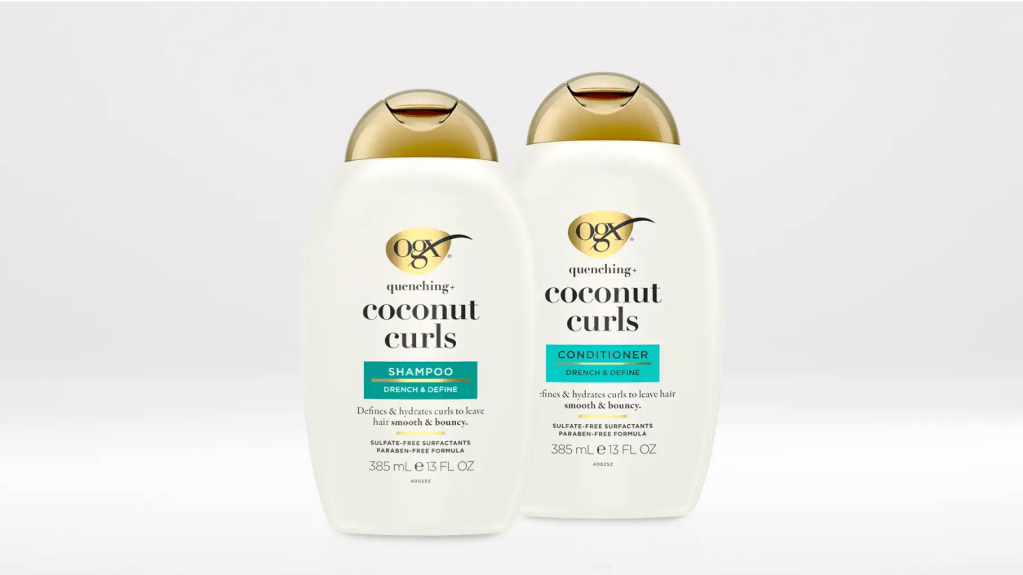
- OGX Coconut Curls Shampoo + Conditioner (one of my personal favorites)
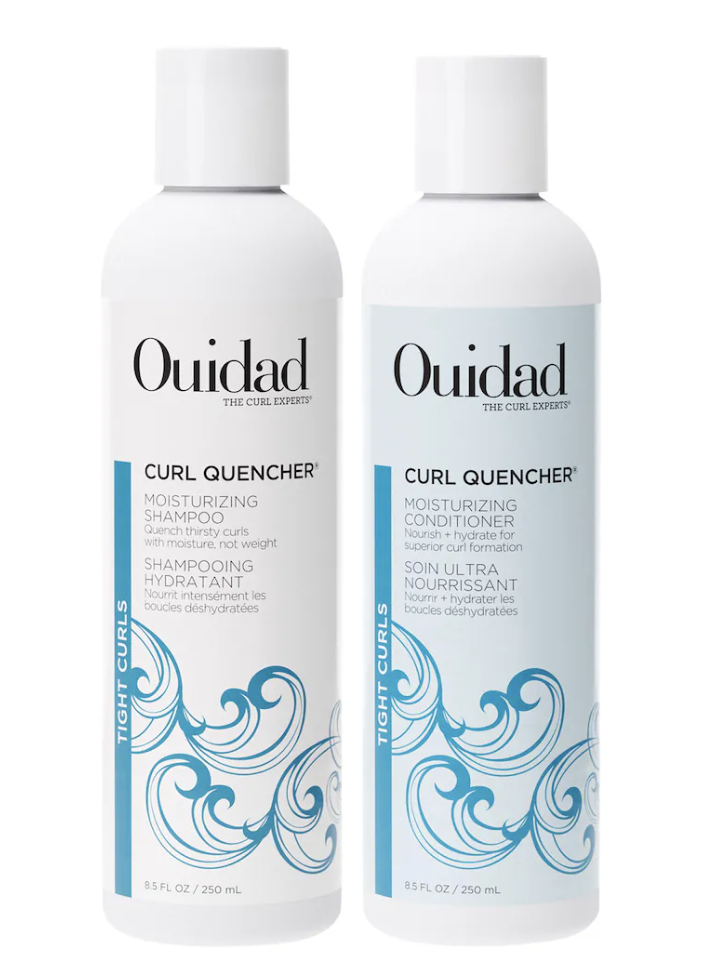
- Ouidad Curl Quencher
3b: Defined Springy Curls
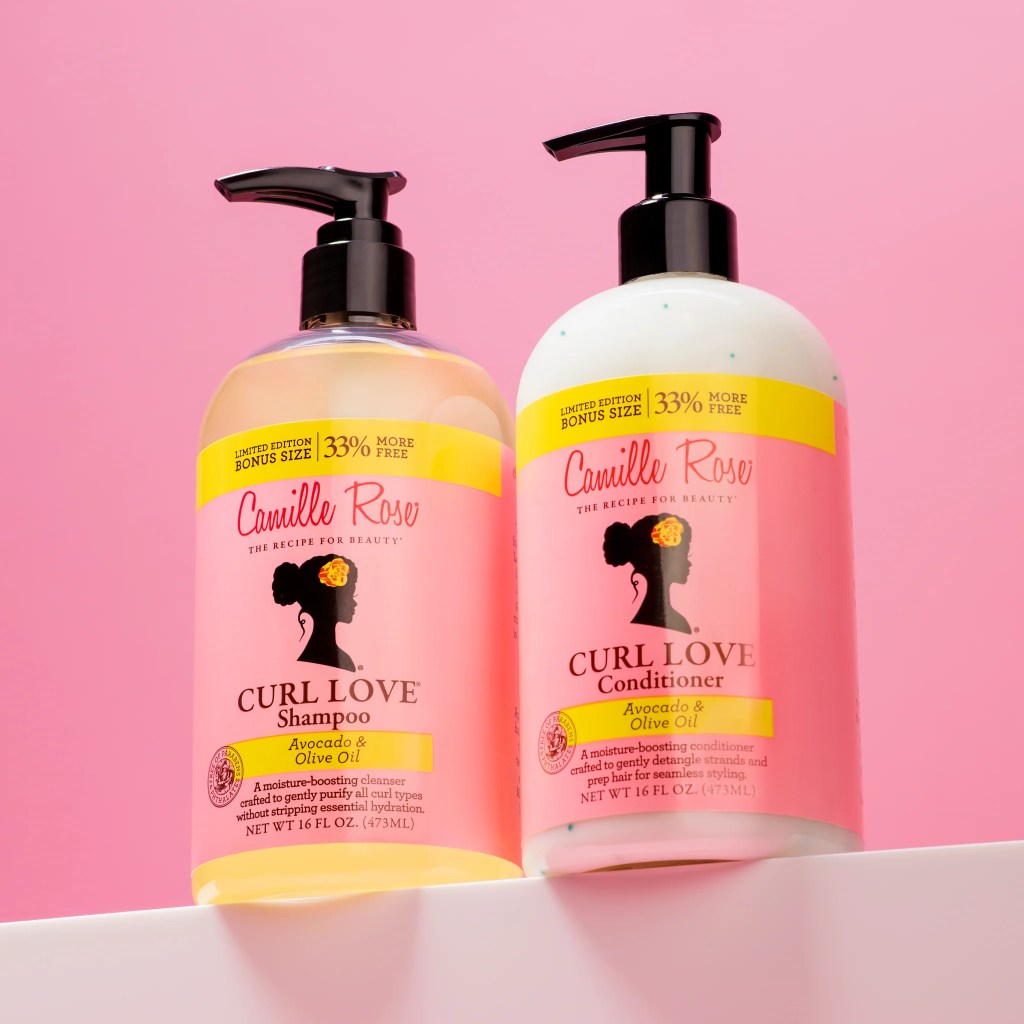
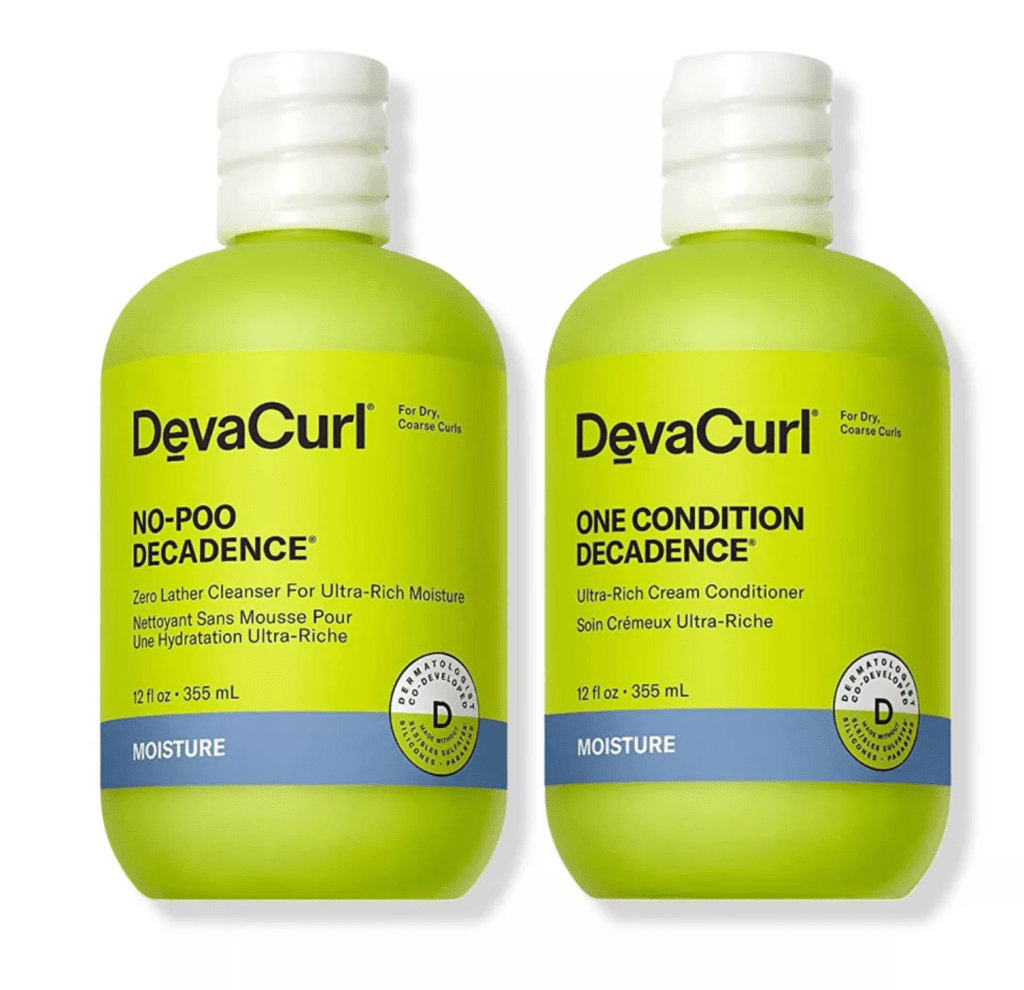
Focus on maintaing softness for detangling through deeper hydration products avoiding anything heavy on the scalp and harsh sulfates because they strip the moisture and dry out your curls.
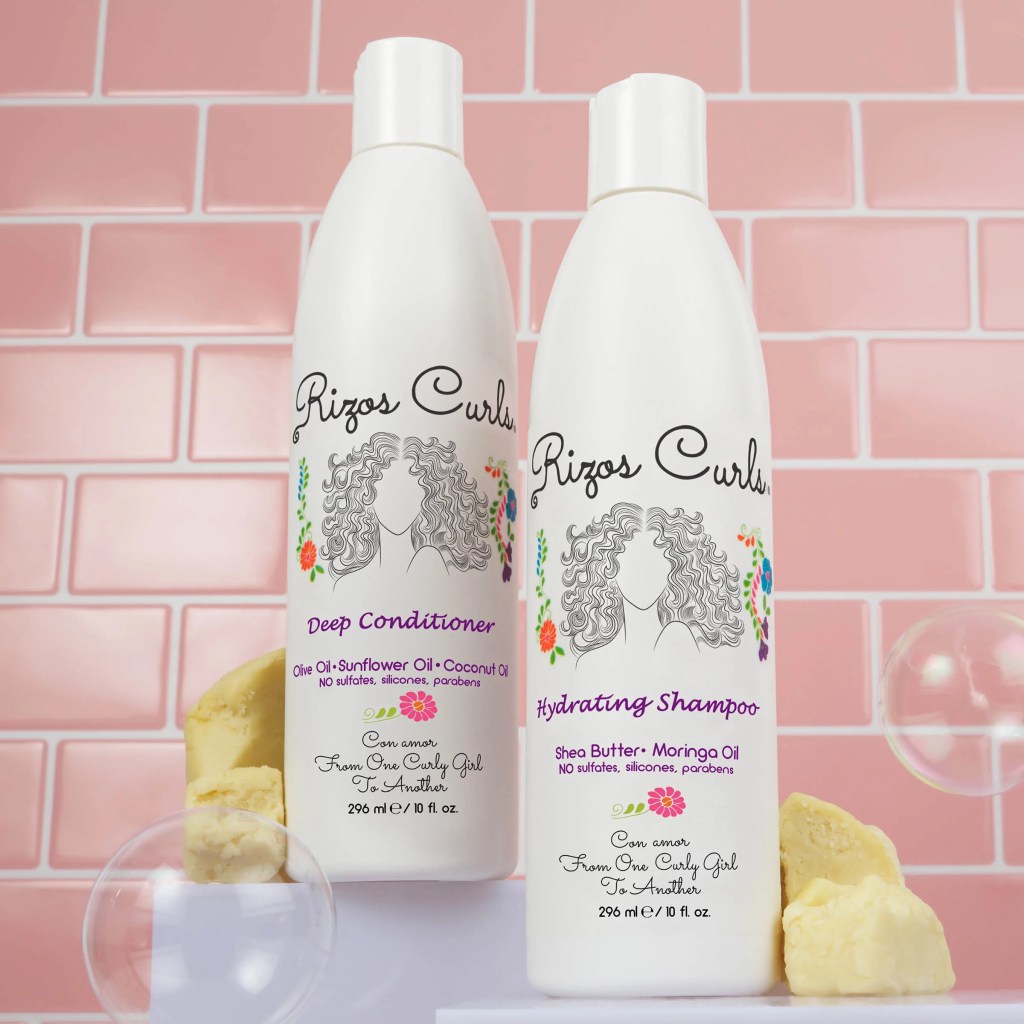
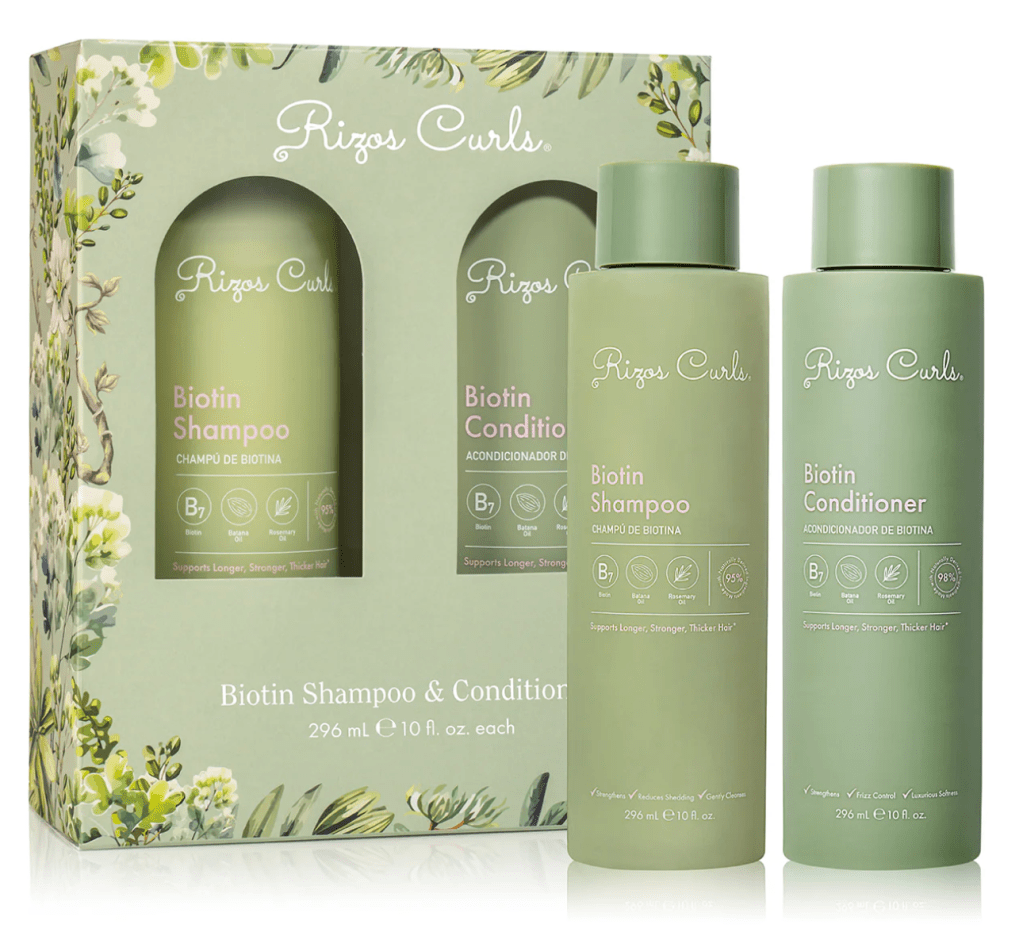
- Rizos Curls Hydrating Duo (one of my personal favorites)
- Camille Rose Curl Love Line
- DevaCurl No-Poo + One Condition Decadence
3c: Tight Corkscrew Curls
A combo of curly and coily/kinky, therefore you should look for products that use butters and oils to prevent dryness and breakage. Avoid harsh shampoos.
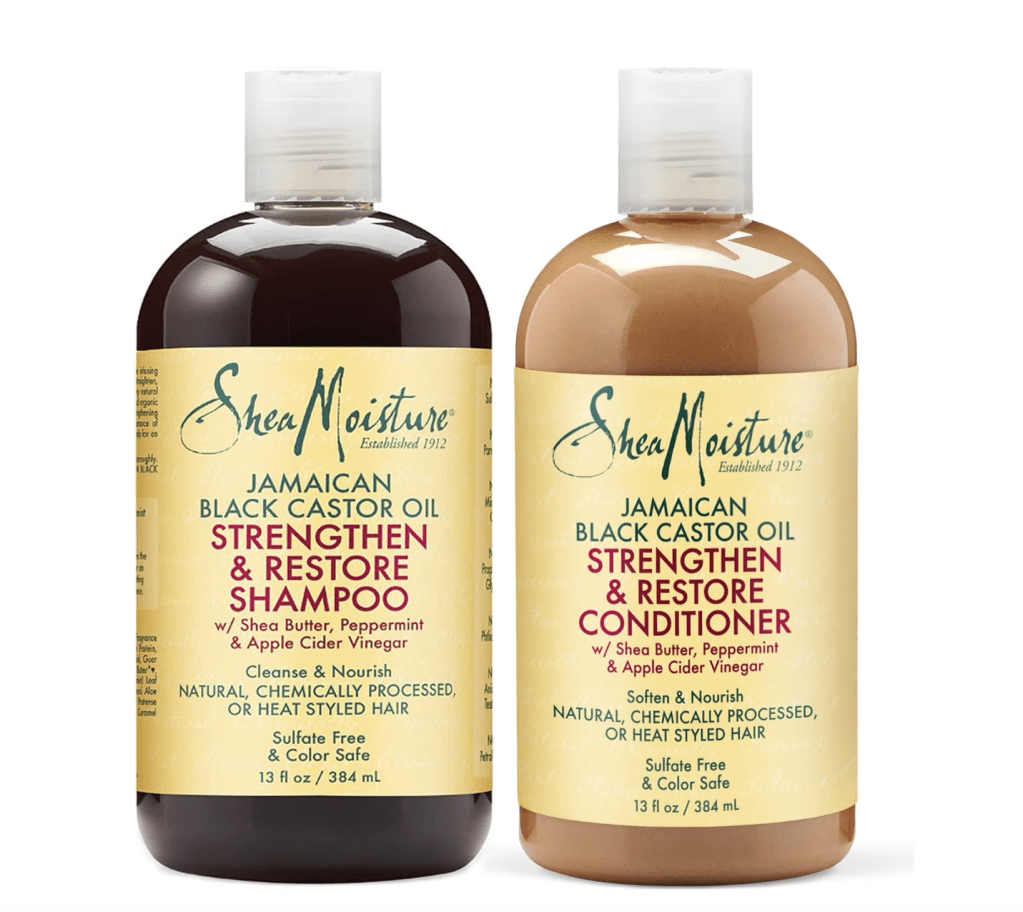
- Shea Moisture Jamaican Black Castor Oil
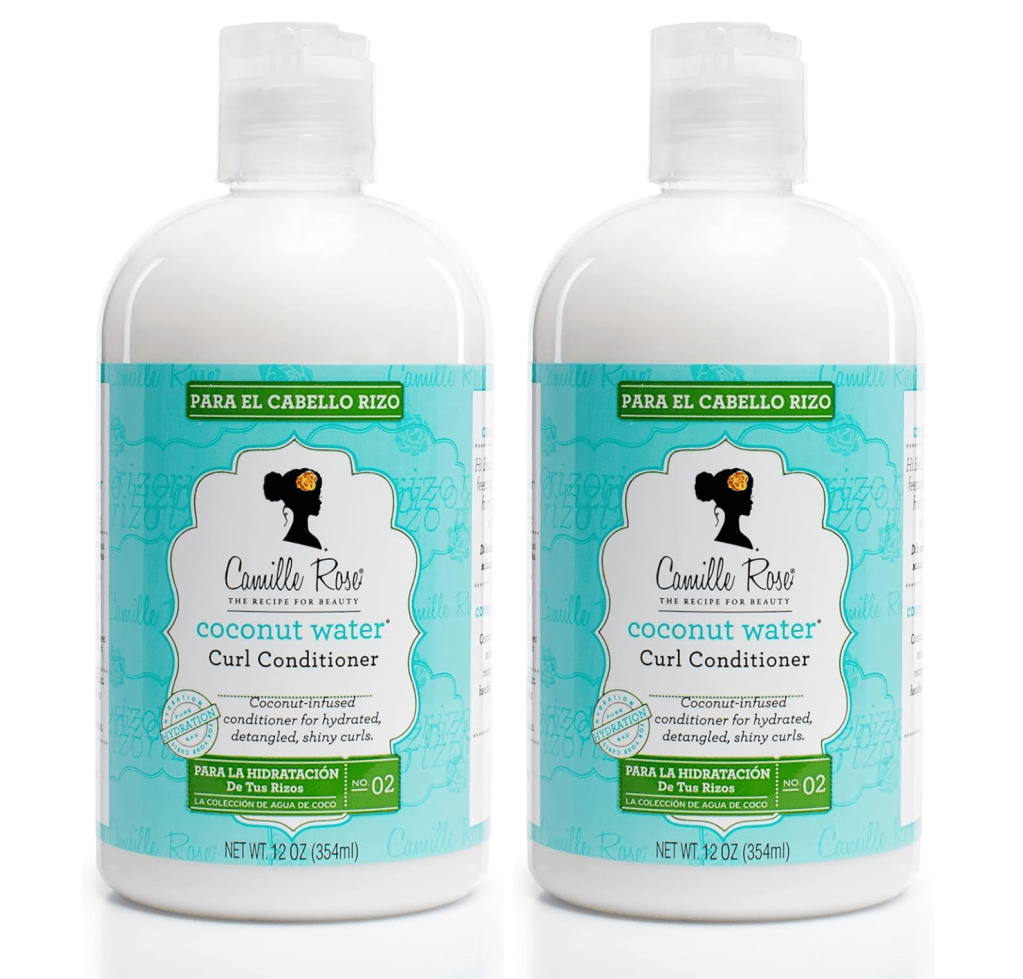
- Camille Rose Coconut Water Line
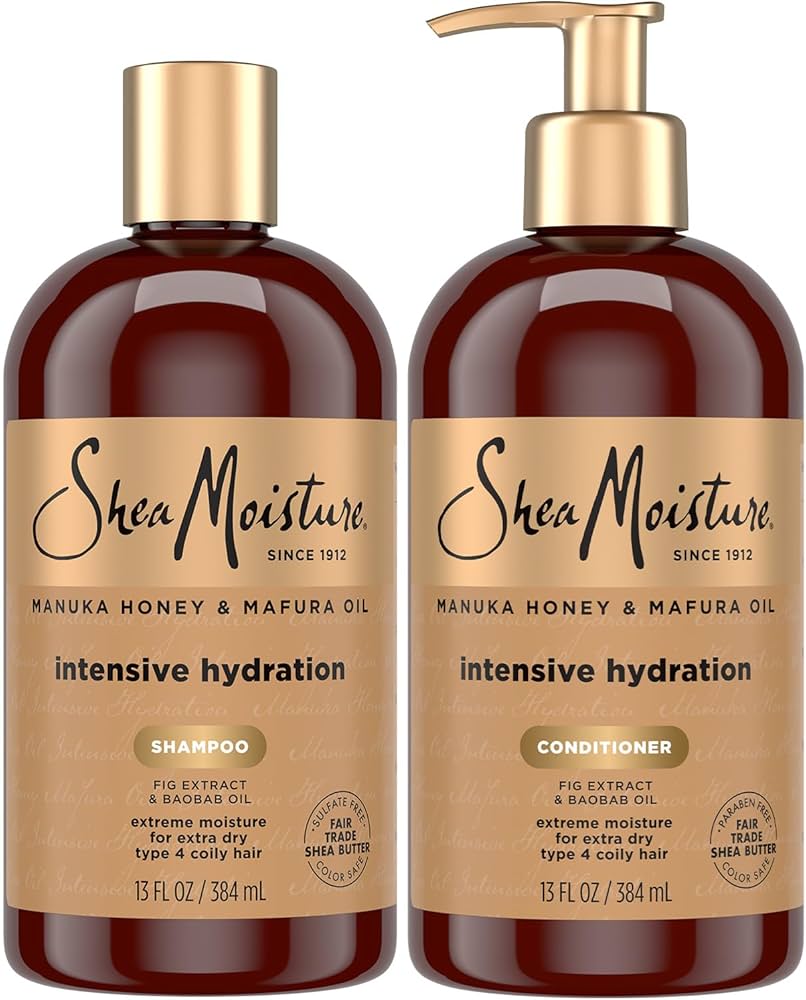
- Shea Moisture Manuka Honey & Mafura Oil Intensive Hydration
Coily/Kinky Hair
4a: Thick “S”-Shaped Ringlets
Intense moisture and deep nourishment is important for coily hair. You want to make sure the products are high slip for effortless detangling, gentle, sulfate-free cleansing, and include oils and humectants such as honey.
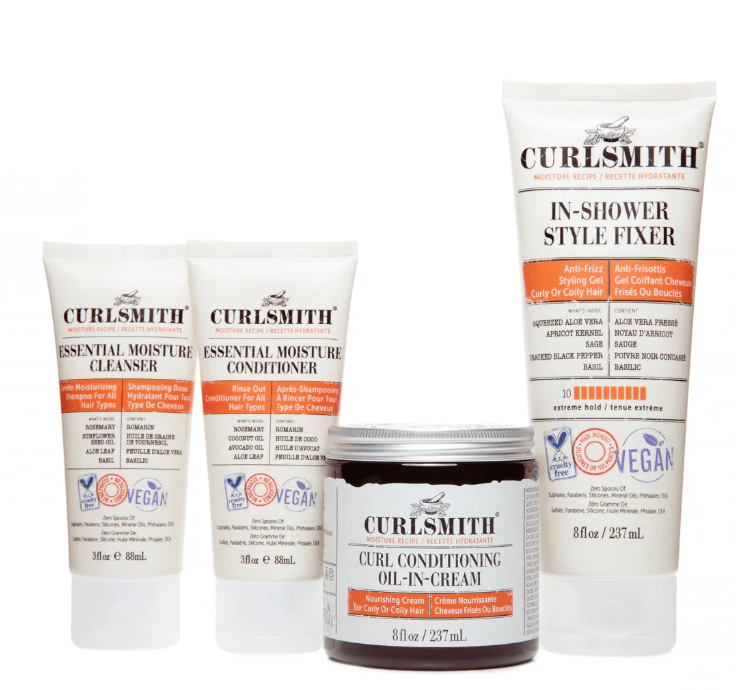
- Curlsmith Coily Wash Day Kit
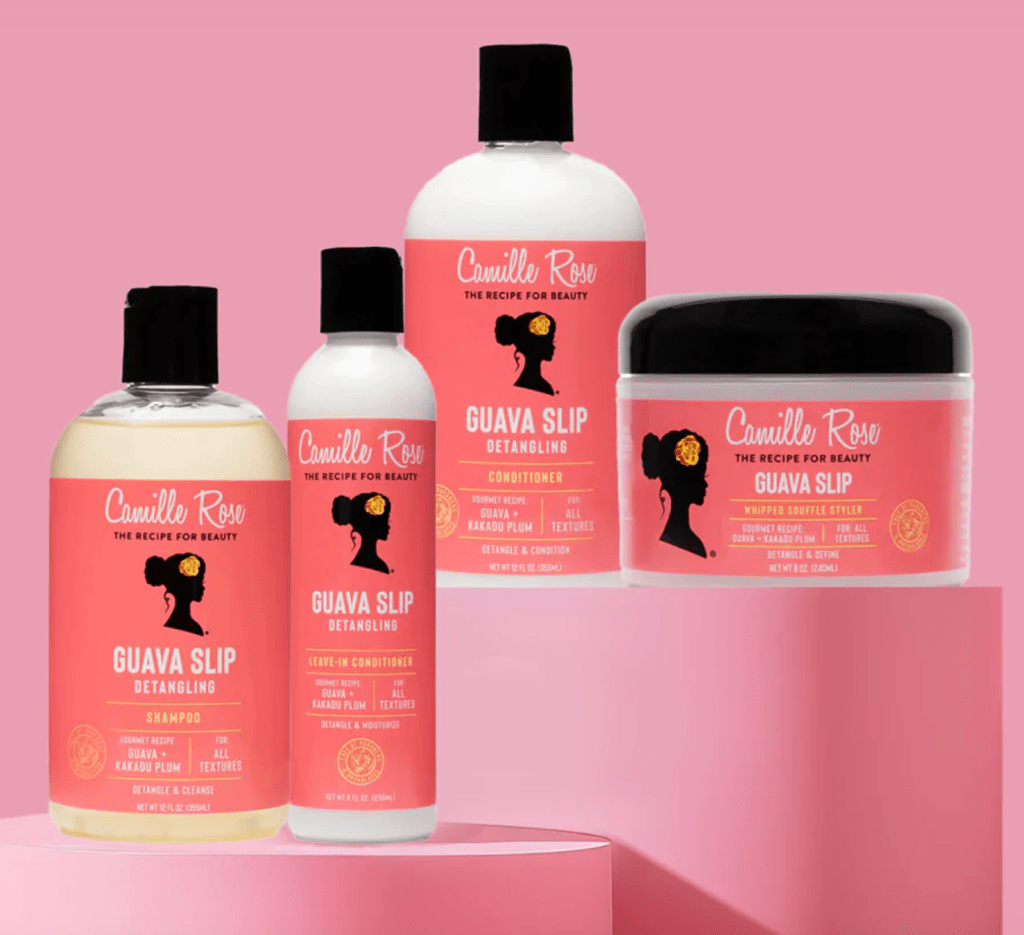
- Camille Rose Guava Slip Collection
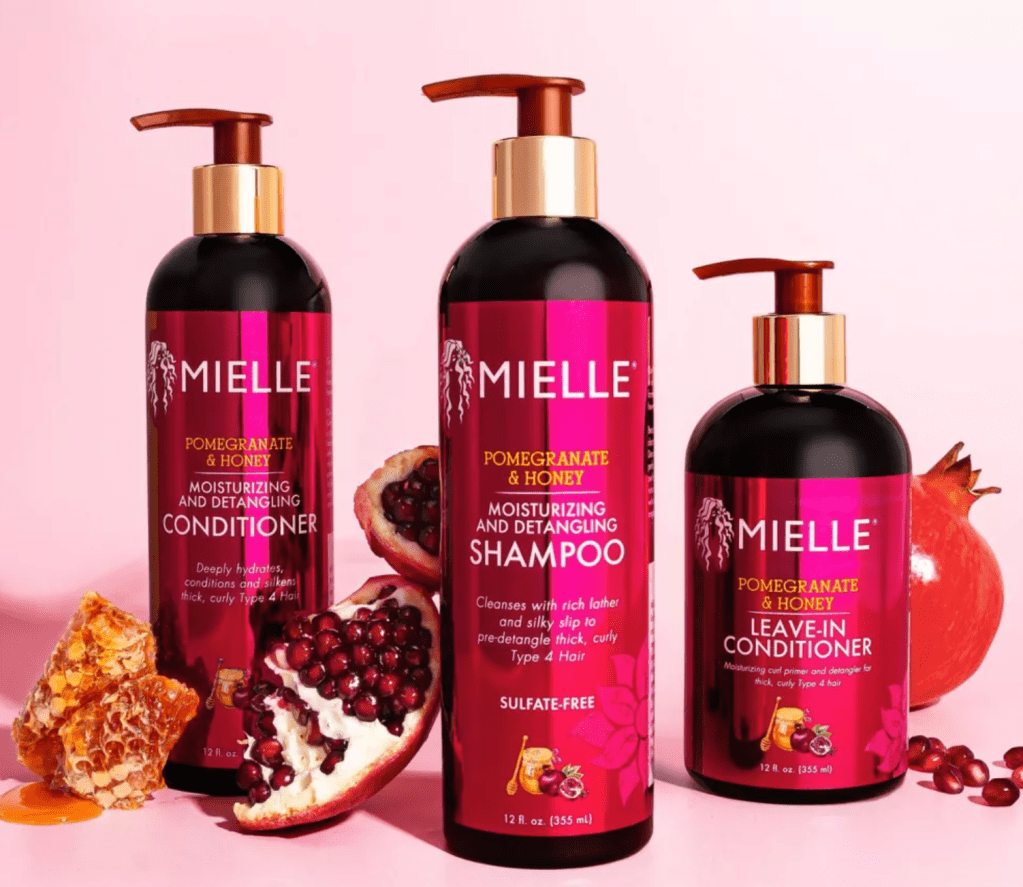
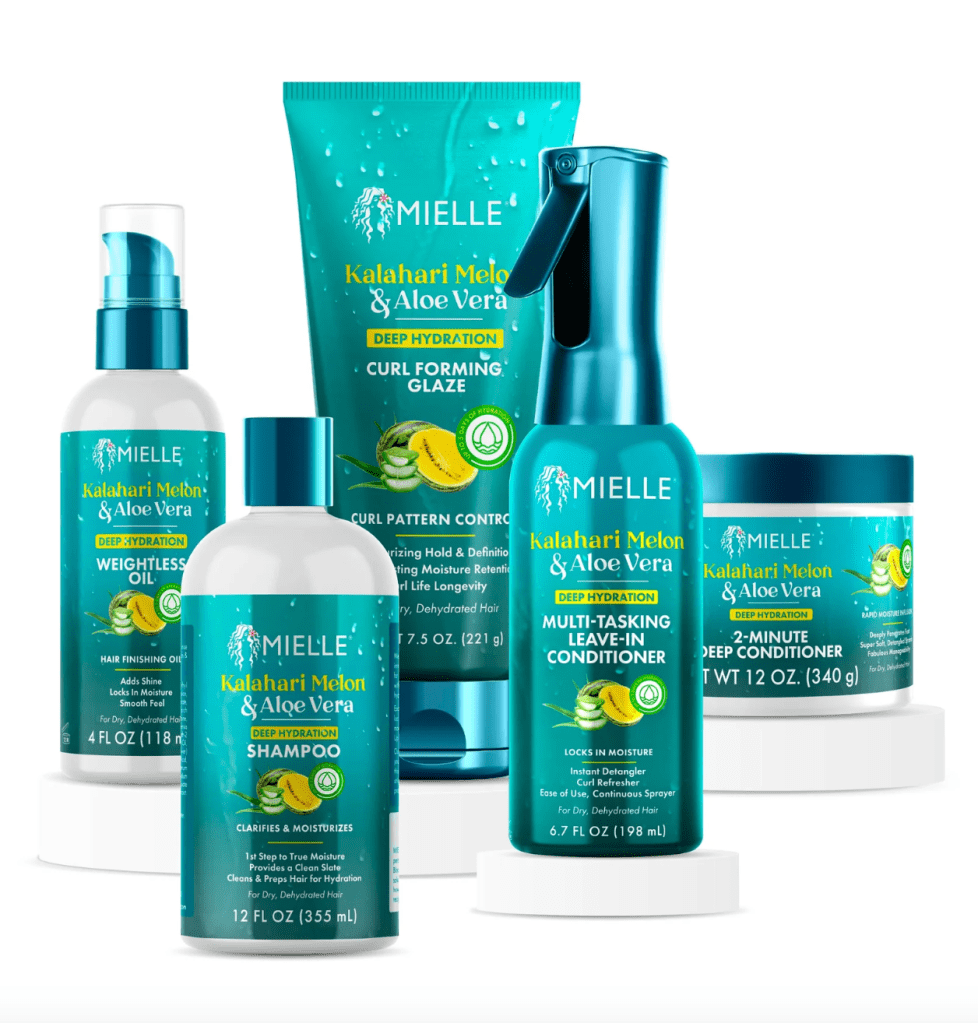
- Mielle Pomegranate & Honey Shampoo + Conditioner
4b: “Z”-shaped Patterned Coils
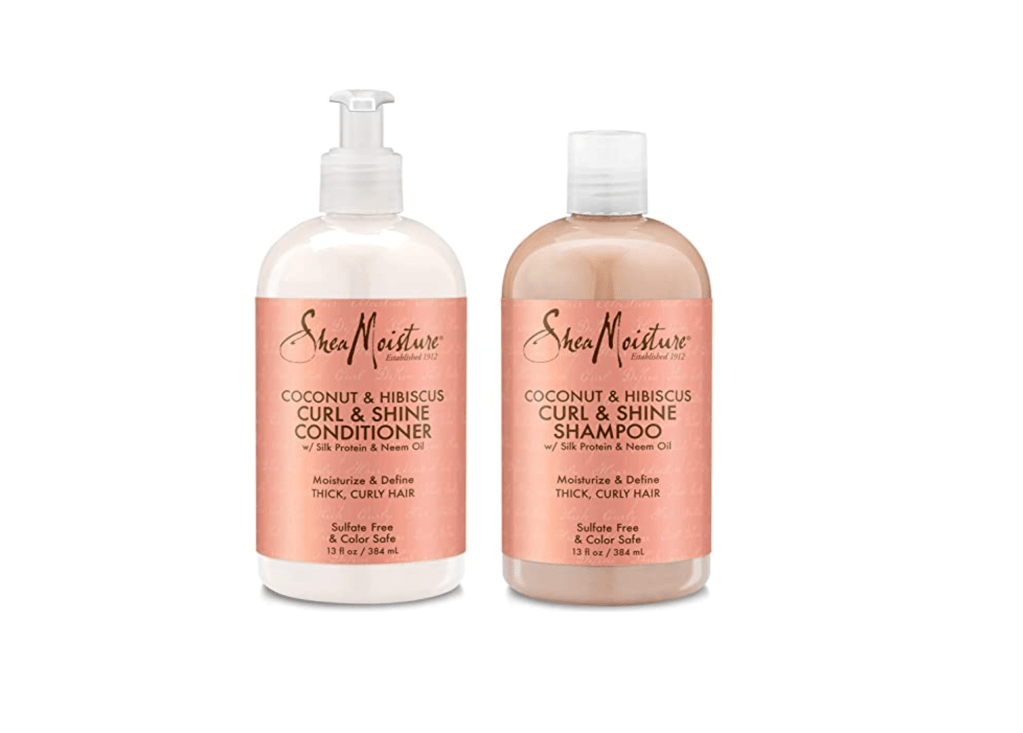
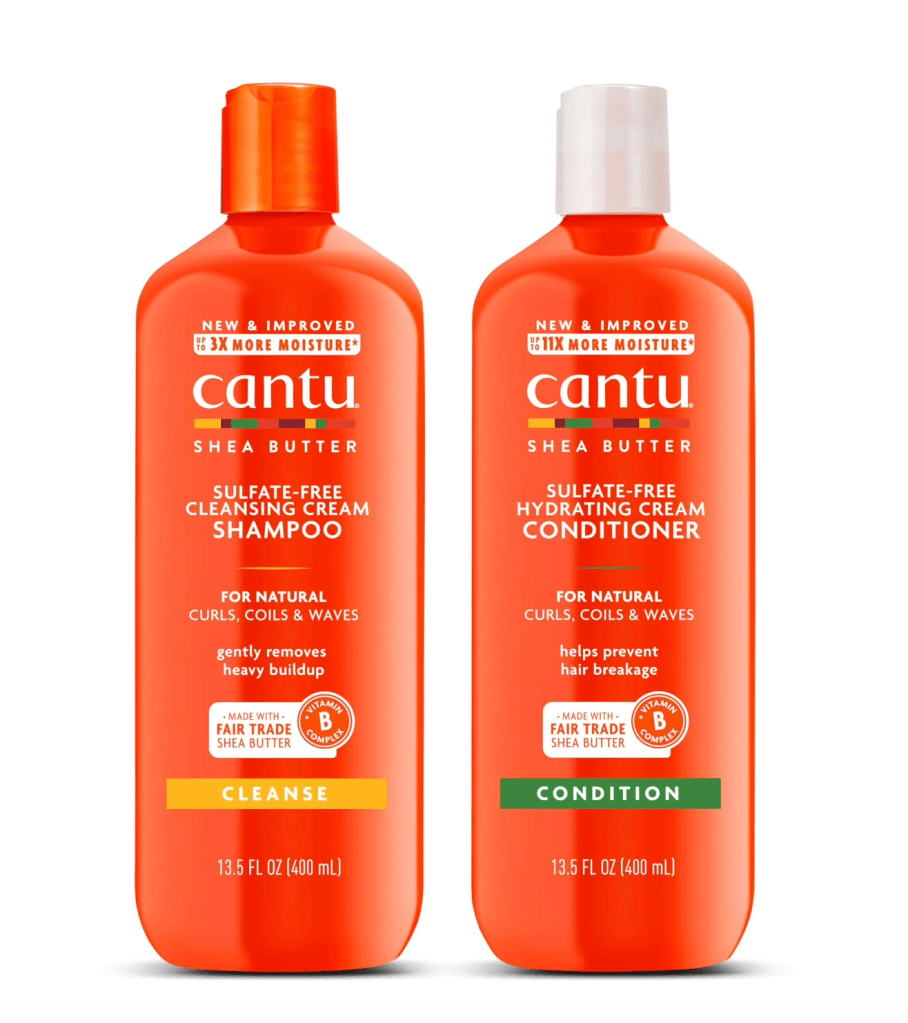
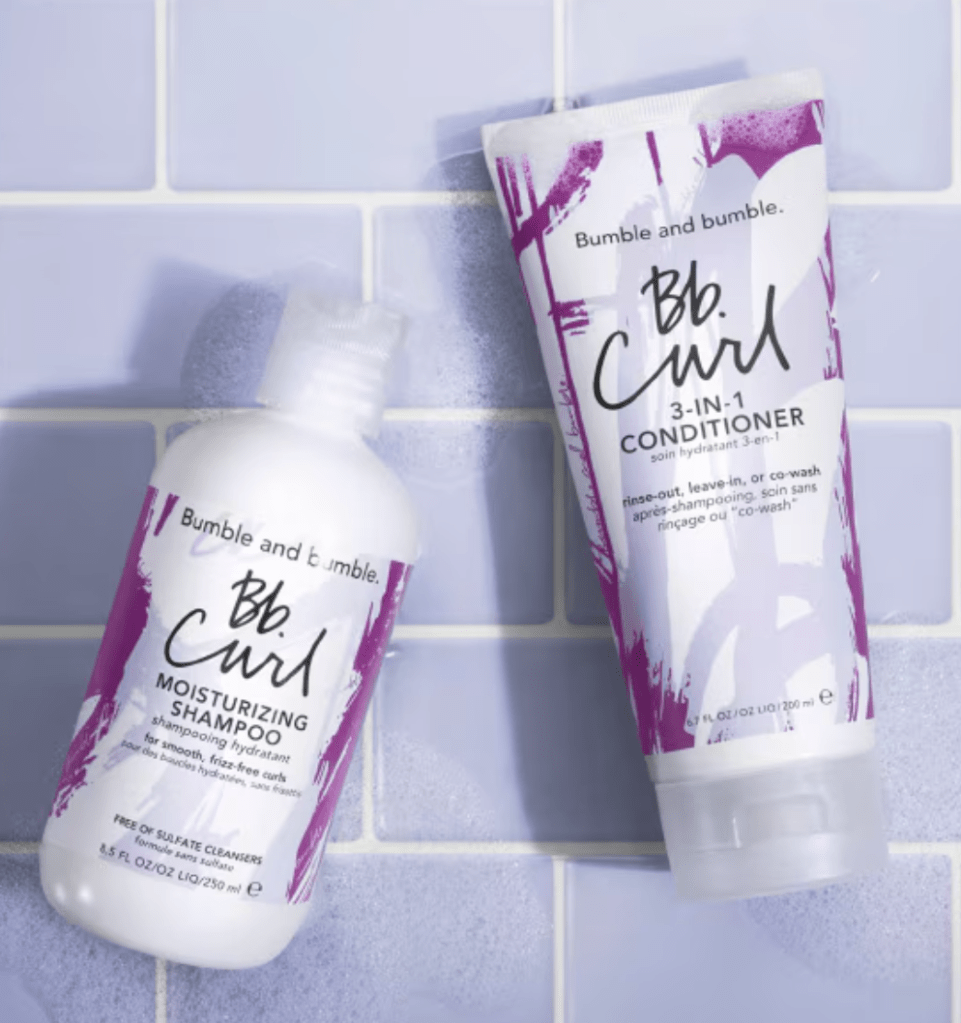
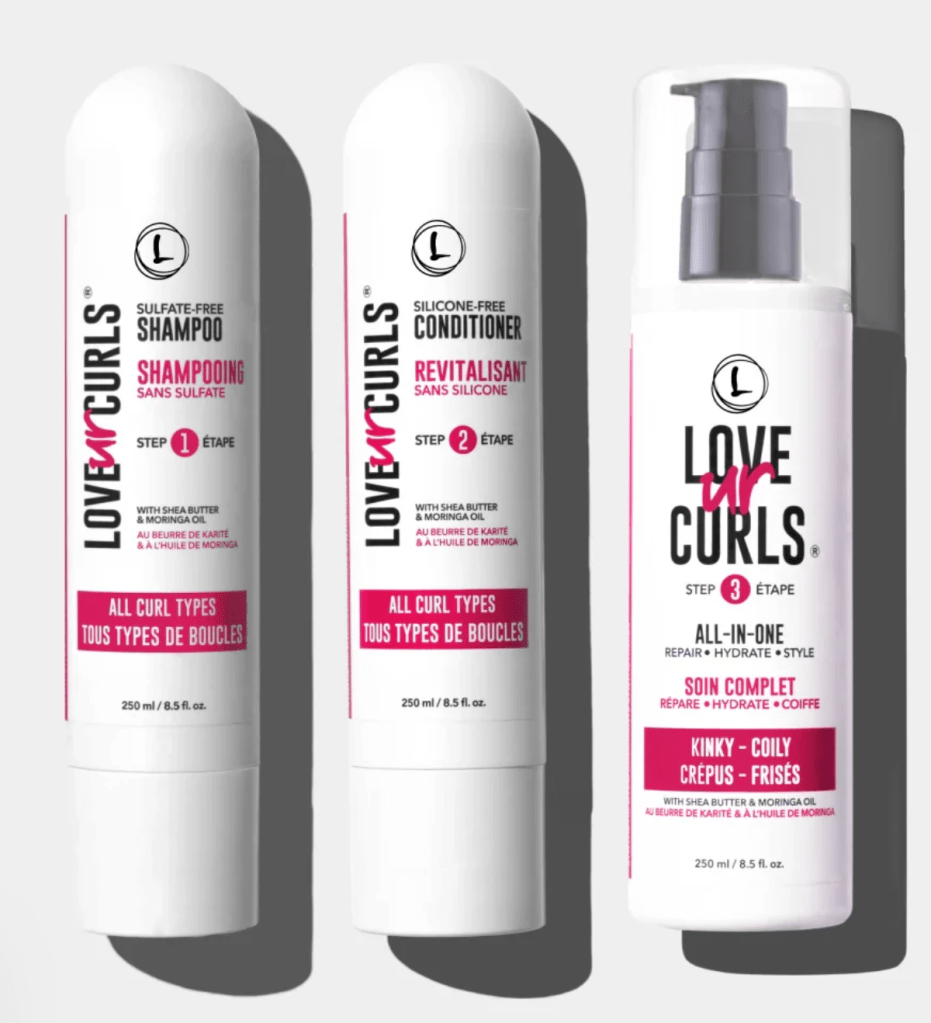
Maintaining the moisture is the biggest challenge! Look for products that provide high slip to prevent any damage with nourishing oils such as castor, coconut, avocado and aloe to keep your hair hydrated and healthy.
4c: “Micro-coils” Tightest Curl
At the end of the day, remember your hair is unique to you! There’s no one-size-fits-all routine. Understanding your hair type is just the beginning; it helps you figure out what your hair needs and how to truly take care of it for you to then fully embrace it in its natural state. Take your time with the process, observe, be patient, educate yourself about each product carefully as the effects may vary and most importantly, have fun discovering what works best.
Thank you for making it to the end!🌟
xoxo, Mari
 The nectar note