Hihi my tulips🌷!
Did you all know that there are different types of skin?
I have to admit, when I started getting into skincare I had no idea there were many different types of skin. I thought there were only two (dry or oily). But as I learned more, I found out that skin can be much more complex, you can even possibly be combination skin. In this post, we’ll dive deeper together and explore the six different skin types, which are:
- Normal
- Dry
- Oily
- Combination
- Acne Prone
- Sensitive
Let’s begin🧚♀️
Normal Skin
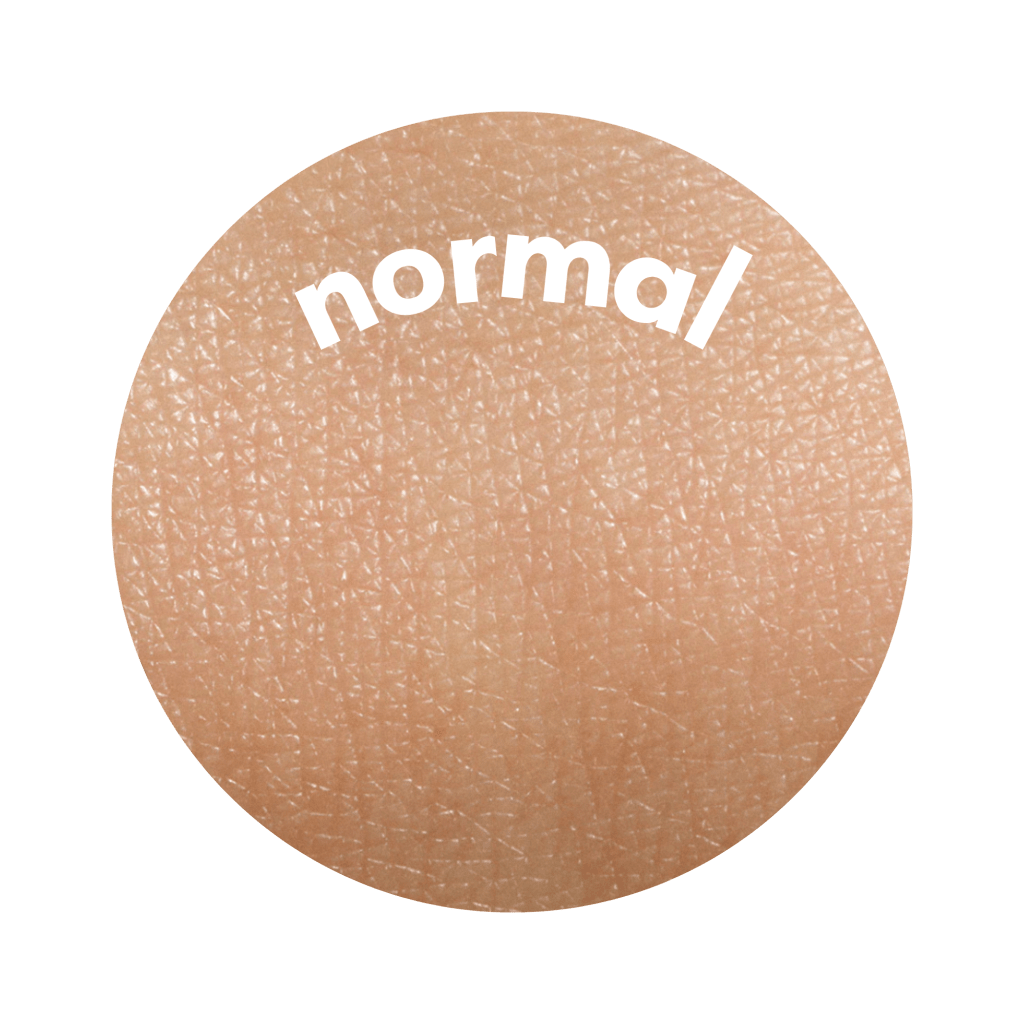
Normal skin is known to be a well-balanced skin, with smooth texture, fine pores, and even tone throughout. It has few blemishes, minimal sensitivity, and maintains a bright and hydrated appearance.
Ways To Treat: Maintain the skin balance. Apply a gentle cleanser, a light moisturizer, and daily SPF (sunscreen).
Dry Skin
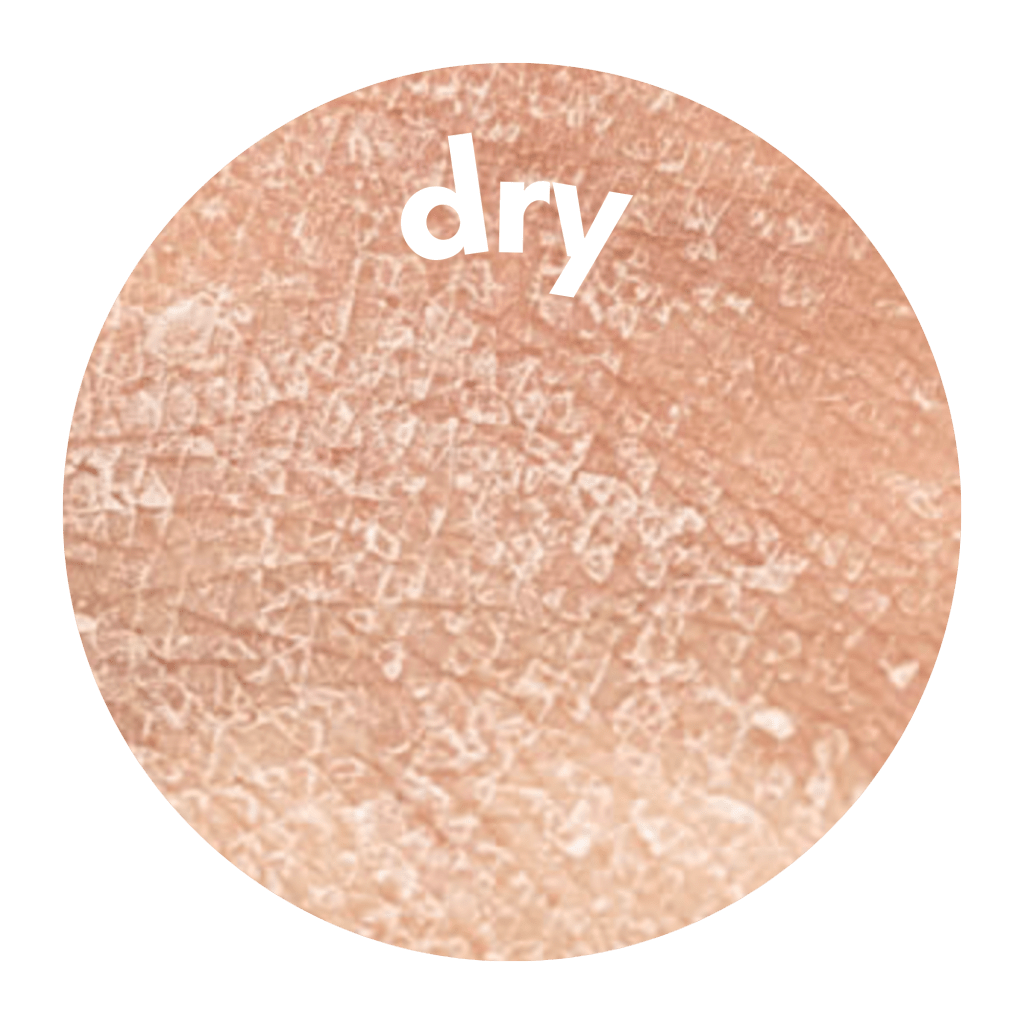
Dry skin is described as having a lack in retaining moisture from natural oils. This makes your skin dull in tone. There will be noticeable flaking, and your skin texture will feel rough and tight immediately after cleansing.
Ways To Treat: Focus on skin barrier repair. Try to use creams containing Ceramides, Glycerin, or Hyaluronic Acid, to hydrate the skin and avoid harsh ingredients and textures that strip the skin.
Oily Skin
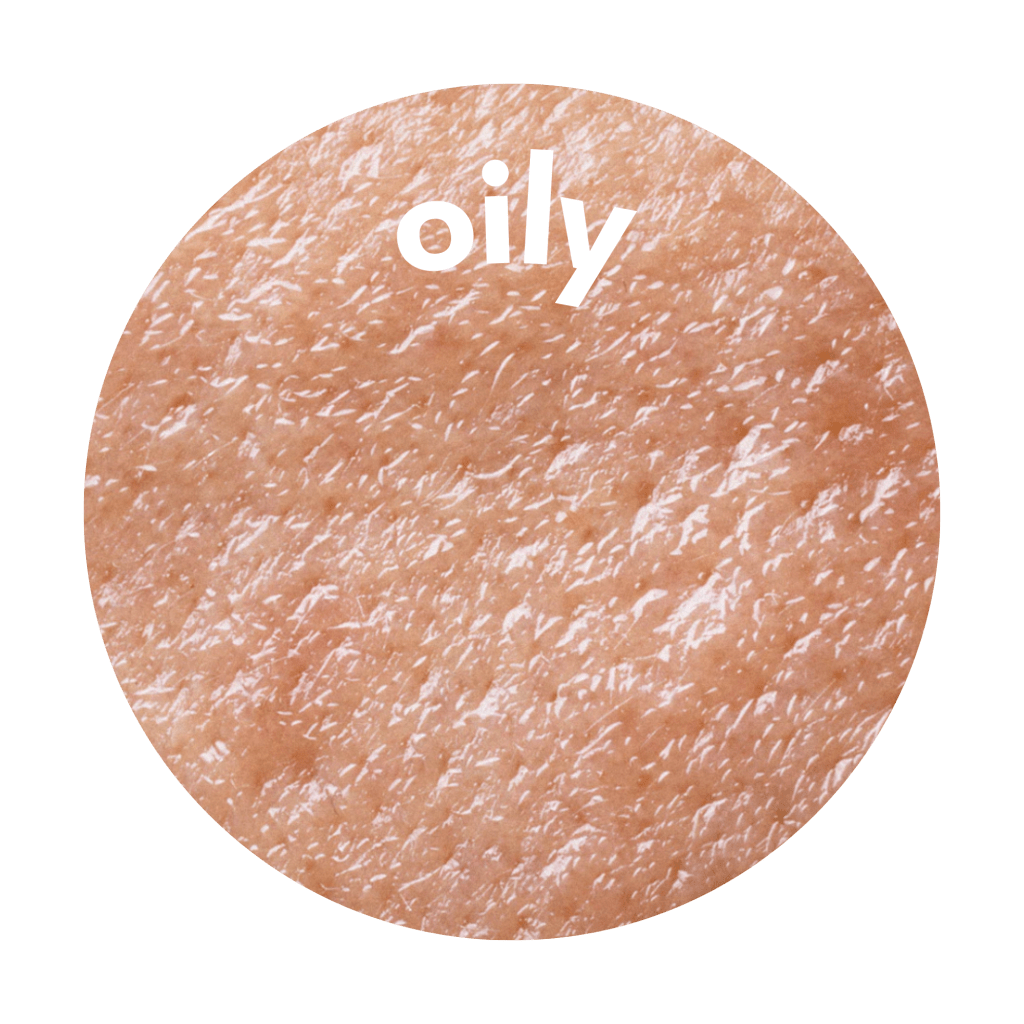
Oily skin is shown through its shiny appearance. The skin overproduces sebum, which are your natural oils. Having these oils tend to cause larger pores and makes your skin prone to having acne and/or blackheads.
Ways To Treat: Try to apply “non-comedogenic” (pore-clearing) products. Make sure to look for ingredients such as Salicylic Acid to manage oils and lightweight, gel-based moisturizers for the best hydration.
Combination Skin
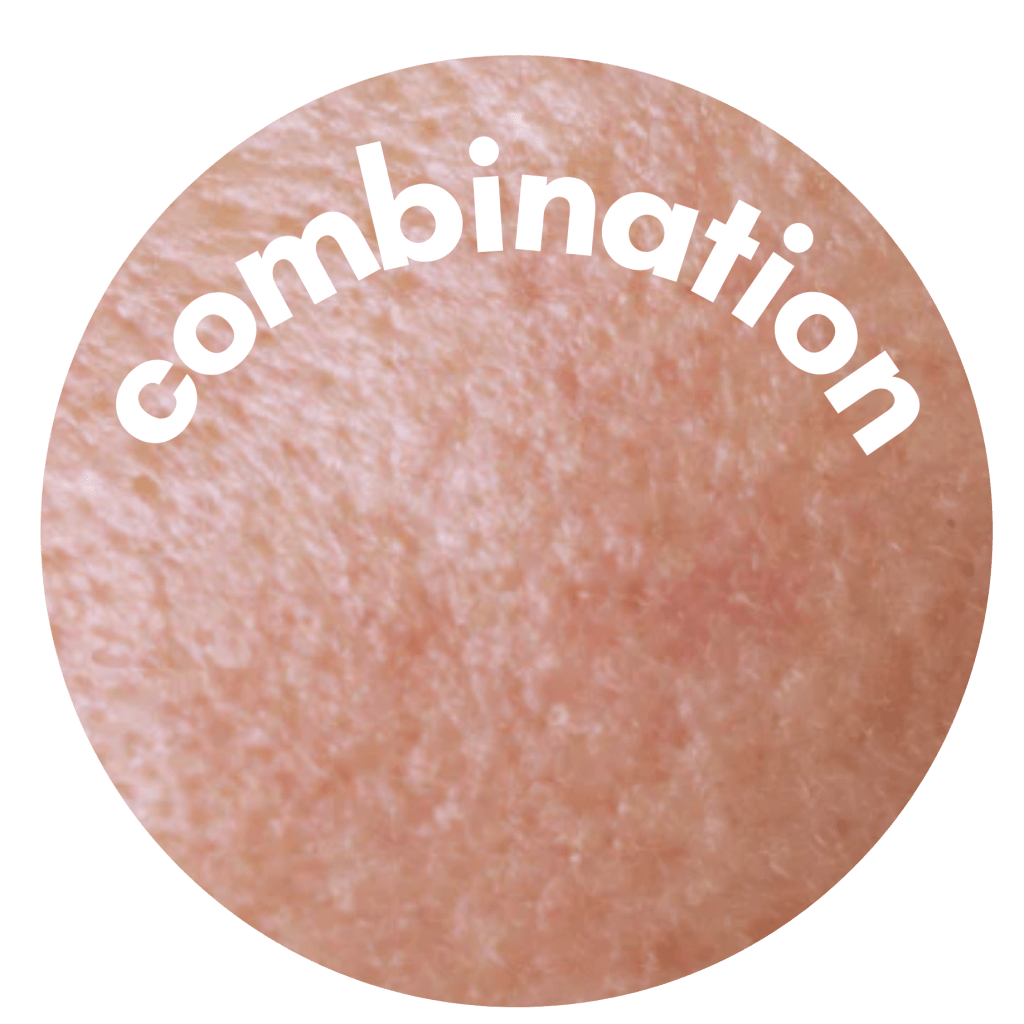
Combination skin is the most common, it features two or more skin types on different parts of the face. The main skin combination is being oily in the T-zone area which is your forehead, nose, and/or chin and being dry/normal on your cheeks.
Ways To Treat: “Spot treat” your face. Use specific ingredients that correspond to the type of skin in each section of your face. Avoid spreading all over. Its recommended to use a lightweight lotion on the T-zone (oily area) and a rich hydrating cream on your cheeks (dry area).
Acne Prone Skin
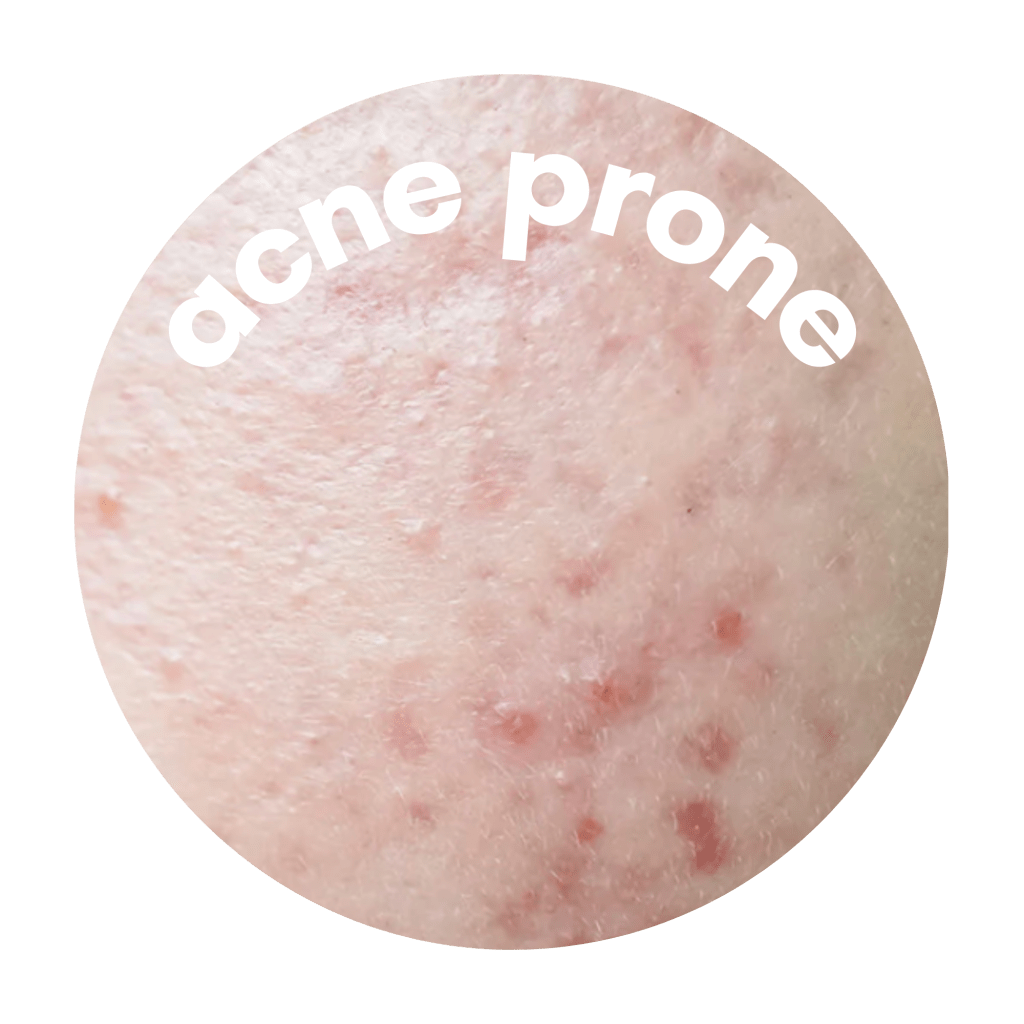
Acne Prone is known to develop comedones (blackheads/whiteheads), pimples, and cysts as it is associated often with oily and combination skin. Hence, reactions may seem similar, but they need different solutions.
Ways To Treat: Treatment and consistency are your best friends. Look for gentle non-comedogenic (pore-clearing) and oil-free products but be careful not to over-dry the skin, as it can cause more oil production. Finding a good balance of products is key, some ingredient’s to use for treatment can be Salicylic Acid, Benzoyl Peroxide, and Tea Tree.
Sensitive Skin
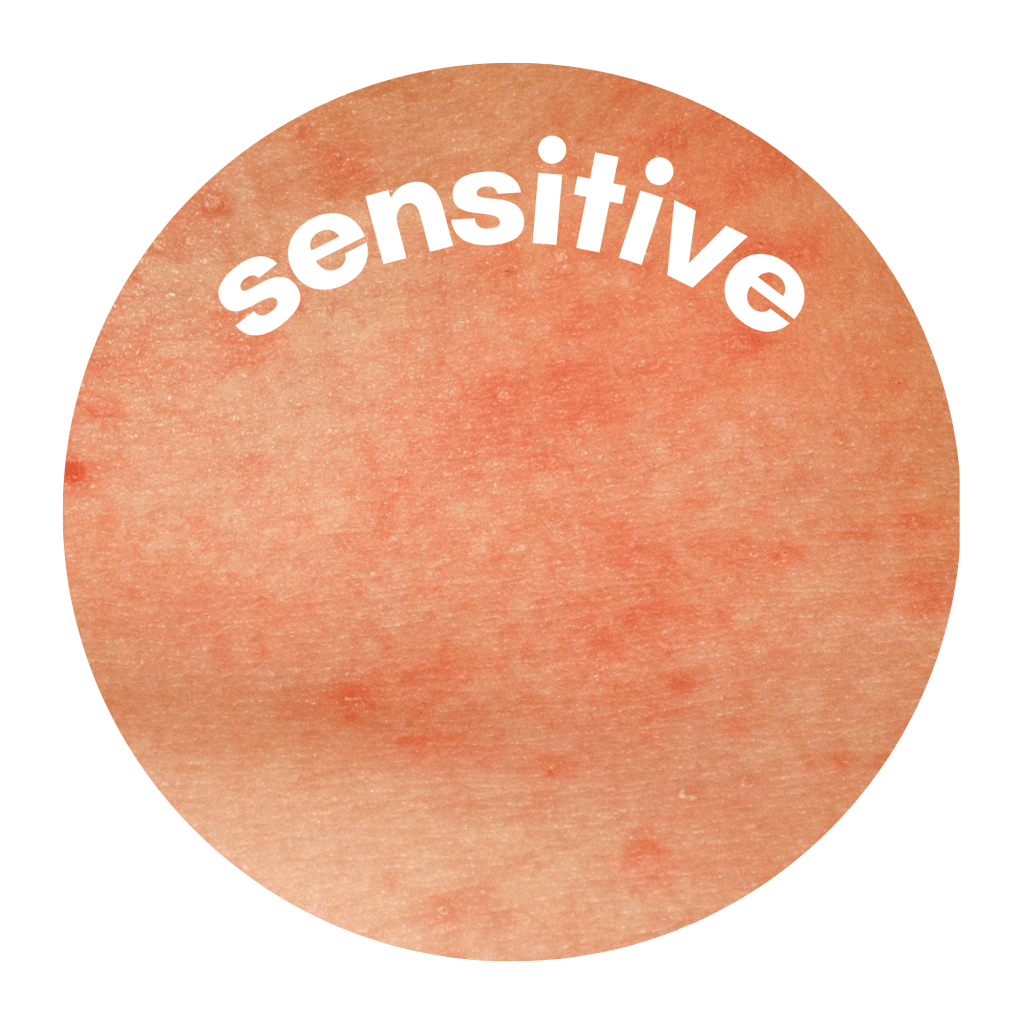
Sensitive skin gets easily irritated and has a broken skin barrier. You’ll feel itchiness, burning, and/or a stinging sensations when applying products and your skin will begin to turn red. This can also be noticed within acne prone skin.
Ways To Treat: You want to restore your skin barrier and hydrate. Aim for a minimal usage of products. Focus on fragrance-free, hypoallergenic, and gentle formulas. Make sure the ingredients highlight the word soothing and include Ceramides and Hyaluronic Acid.
You made it to the end! These are the different skin types to look out for and ways you can notice if your unsure which type you may have.
I hope this helps make your skincare journey easier as you learn what your skin needs and how you want to take care of it. Have fun exploring and testing out different products until you find what works best for you. Please don’t forget to read the labels, understanding the ingredients and what they do is important especially when it comes to your skin. You want to make sure that what you’re applying will help your skin and target your specific concerns. ✨
xoxo, Mari
 The nectar note